The merged Digital Asset Market Clarity Act landed in senators' inboxes on July 22 as a 616-page draft, and within hours the crypto industry was publicly demanding a floor vote while Democratic lawmakers called its ethics enforcement approach 'wild and unserious and stone-cold crazy.' That split is now the single biggest obstacle to the bill reaching 60 votes before the August recess.
What the Bill Does and Who Backs It
Senate Banking Digital Assets Subcommittee Chair Cynthia Lummis released the updated text after stakeholder briefing calls earlier that day. The draft merges the versions passed separately by the Senate Banking and Agriculture Committees into one bill. If enacted, it would divide oversight of digital assets between the SEC and the CFTC, a structural split the sector has sought for years. The Banking Committee passed an earlier version 15-9 in May.
Coinbase CEO Brian Armstrong posted on X that the bill is 'ready for a full Senate floor vote.' He pointed to 950,000 messages sent by Stand With Crypto members to Congress and cited polling he said shows 70% of American voters support full crypto legislation. 'There's no federal framework, so bad actors like FTX can harm U.S. customers and much of the industry has gone offshore totally outside U.S. purview,' Armstrong wrote.
Coinbase Chief Policy Officer Faryar Shirzad credited Senators Tim Scott, Lummis, and John Boozman, noting that 'while the industry did not get everything it wanted, this bill is an extraordinary achievement.' He highlighted three provisions in particular: 1:1 customer asset segregation rules, federal anti-money-laundering standards, and ethics language he said covers the president and vice president 'for the first time ever.' Blockchain Association CEO Summer Mersinger and the DeFi Education Fund both issued statements backing the text, describing it as a major step toward clear rules and strong consumer protections.
The Ethics Fight That Could Kill It
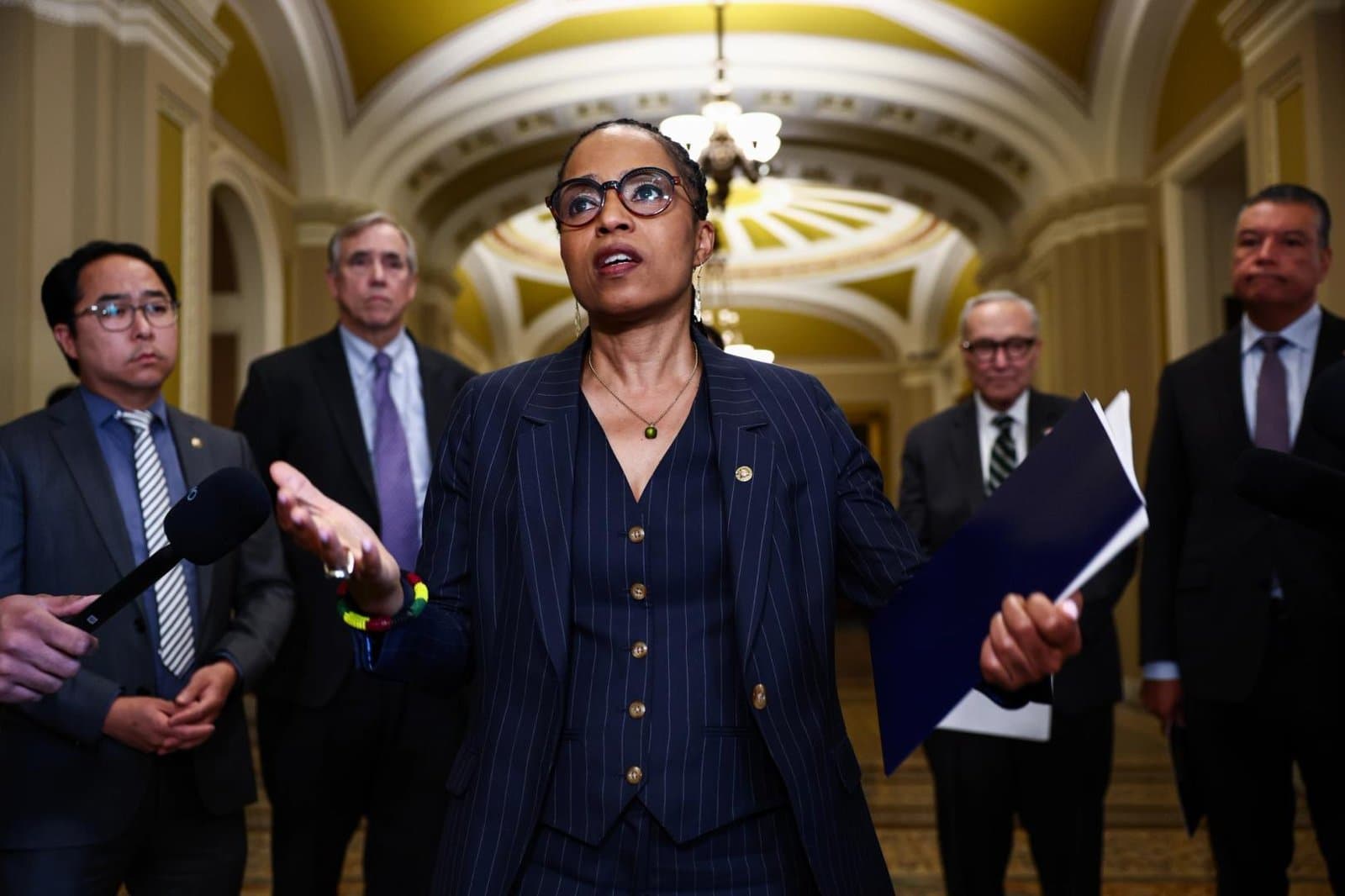
The sticking point is enforcement. The draft routes crypto-related conflicts-of-interest violations involving government officials through the Department of Justice rather than an independent body. Sen. Angela Alsobrooks, a Democrat whose vote the bill needs, called that approach 'wild and unserious and stone-cold crazy.' Her objection is not symbolic: without bipartisan votes, the bill cannot clear the 60-vote threshold required to advance in the Senate.
Senate Majority Leader John Thune has signaled he intends to bring the bill to the floor before the summer recess. Lummis framed the timeline in stark terms: 'The coming weeks are likely the last real chance we will have for years to get this right.' She added a commitment 'to reaching a deal in the coming days that will allow this legislation to become law.'
Whether the ethics language gets revised before a vote, or whether the bill moves as written and relies on Republican unity, will determine whether U.S. crypto regulation gets its first full federal framework or waits out another congressional cycle.
This article is for informational purposes only and does not constitute financial or investment advice.