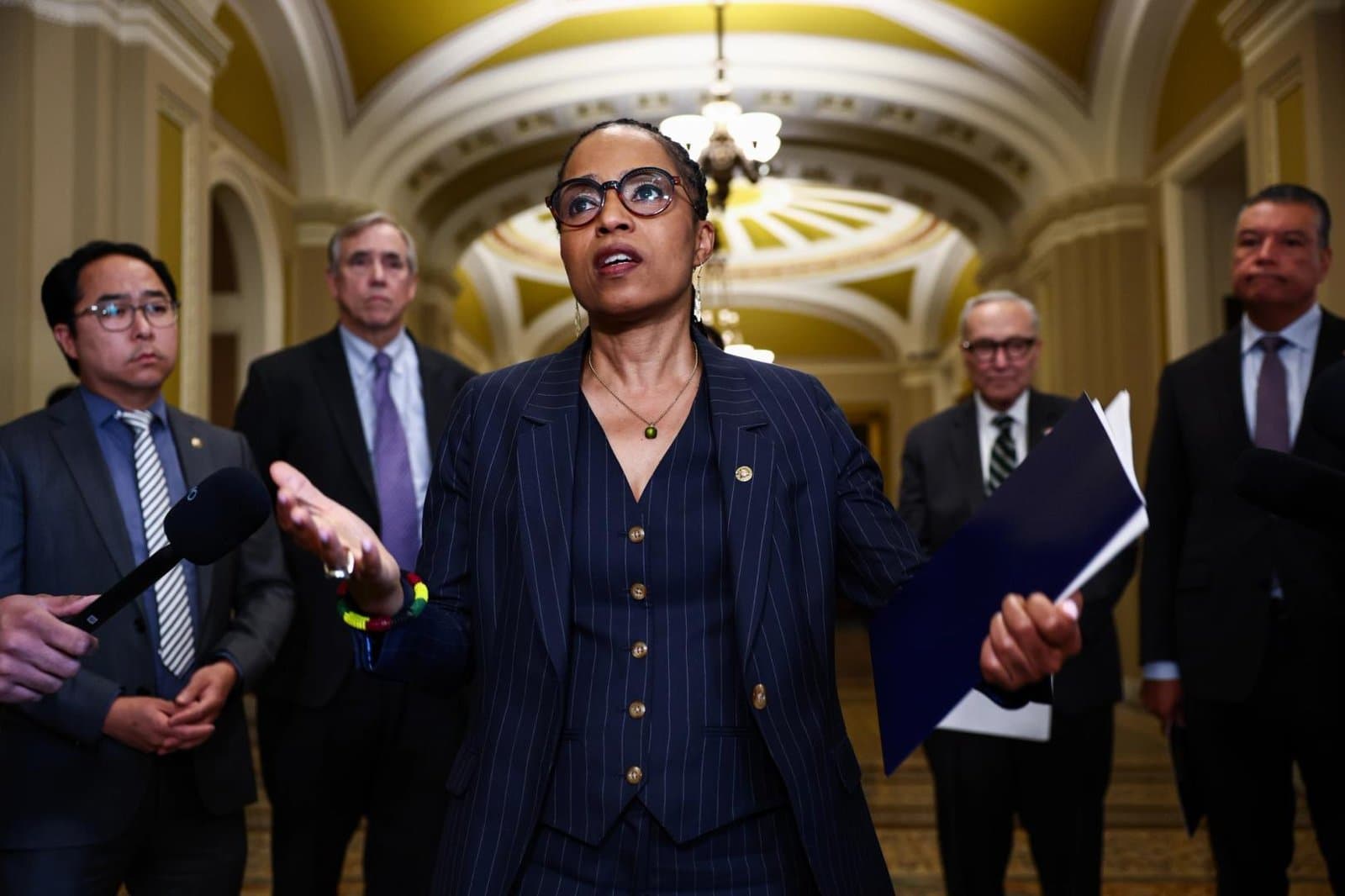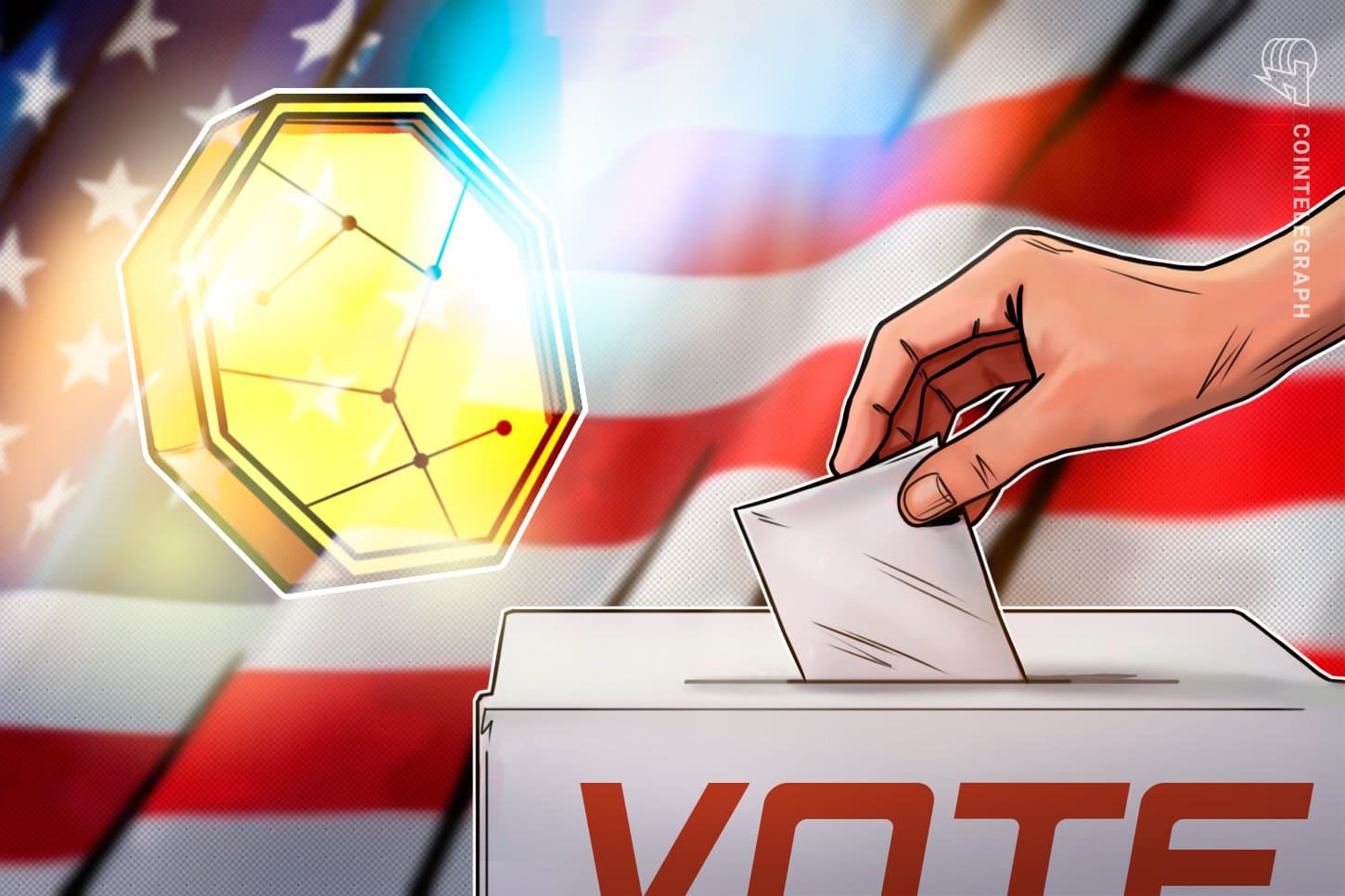
A crypto-aligned political action committee dropped $1 million in ad spending into a Michigan Democratic primary race, backing challenger Donavan McKinney against incumbent Representative Shri Thanedar. The move marks one of the more direct examples of the crypto industry using its political war chest to reward or punish specific lawmakers at the district level.
McKinney was blunt about what he thinks is happening. He told reporters that 'the crypto lobby is paying my opponent back for helping Trump,' pointing to Thanedar's votes and positions on crypto-related legislation as the reason the PAC money flowed to his opponent rather than to him. In other words, McKinney frames himself as collateral damage in a broader industry campaign to shape Congress.
Industry Money in Down-Ballot Races
Crypto PACs have been scaling up their involvement in federal elections well beyond high-profile Senate contests. The Michigan primary shows the strategy reaching into House races where a million dollars can shift the outcome in a low-turnout primary. That kind of spending power in a district race is significant: competitive House primaries often see total ad budgets in the low hundreds of thousands, so a $1 million injection from a single PAC is hard to ignore.
The broader legislative context matters here. A 616-page Senate crypto bill has already exposed a fault line between industry backers and a bloc of Democrats who see crypto regulation as a Republican-friendly project. Thanedar's perceived alignment with that legislation appears to be what put him on the PAC's radar. The CLARITY Act push, which generated nearly a million constituent contacts to lawmakers, shows just how organized the industry's political operation has become heading into this cycle.
This article is for informational purposes only and does not constitute financial or political advice.