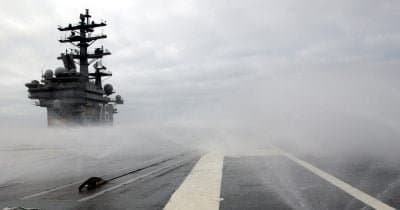
The United States has deployed additional troops, medical personnel, and weaponry to the Middle East as President Donald Trump weighs options for expanding military operations against Iran, according to sources familiar with the buildup. The move comes during a fragile ceasefire in the ongoing U.S.-Iran conflict, which has already seen sporadic missile and air strike exchanges.
Prediction markets responded quickly. The probability of a U.S. invasion of Iran before December 31, 2026 jumped to 28.5%, up from 22% just one week earlier. That six-point shift reflects how market participants are reading the troop movements: not as deterrence, but as preparation for potential offensive action. As noted in recent coverage of U.S.-Iran deal odds dropping to 28%, the trajectory of these markets has been consistently tilting toward escalation.
What the Buildup Signals
As sources told reporters, the military reinforcement is designed to give Trump a broader menu of strategic options rather than lock him into any single course of action. Defense Secretary Pete Hegseth is among the officials whose statements market watchers are tracking closely. Any shift in ceasefire conditions or a significant Iranian military response could push those invasion odds higher still.
Regional tensions are already registering across commodity markets. Red Sea tanker strikes recently drove Brent crude to a six-week peak of $94.76, a sign that traders are pricing in supply-chain risk from the broader Middle East standoff.
The current 28.5% figure means markets still assign roughly a 71.5% chance that no ground invasion materializes by year-end. That gap narrows with every fresh deployment announcement.
This article is for informational purposes only and does not constitute financial or investment advice.