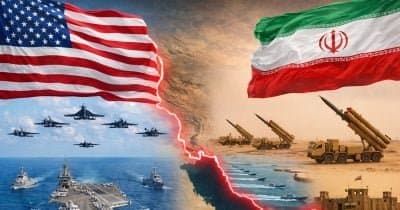
Three US service members have died following Iranian missile attacks as American strikes on Iranian targets near the Strait of Hormuz reached eight consecutive nights. The escalation has driven crude oil prices up by 3% to 7%, reflecting fears over the security of an area responsible for 20% of global oil supply.
Details of Military Engagements and Casualties
The US Central Command (CENTCOM) confirmed two fatalities and one missing soldier after Iran launched ballistic missiles and drones at the Muwaffaq Al Salti Air Base in Jordan on July 17. Four additional personnel were hospitalized but later released. The attacks were characterized as retaliation against the ongoing US bombing campaign targeting Iranian military sites and infrastructure.
On July 18, a third American died in northern Iraq due to an accidental explosion while handling unexploded ordnance from a previous Iranian drone strike. A fellow soldier suffered minor injuries. CENTCOM withheld the names of the deceased pending family notification.
Political Reactions and Regional Impact
President Donald Trump condemned the attacks, affirming that the fallen troops sacrificed their lives to prevent Iran from acquiring nuclear weapons. He pledged to complete US military objectives imminently and criticized recent Iranian outreach as desperate, doubting Tehran’s commitment to honoring agreements related to its nuclear program and maritime access.
Iranian Supreme Leader Mojtaba Khamenei denounced the US airstrikes as violations of a truce memorandum, dismissing the agreement’s credibility and warning of severe consequences if military actions persisted. The conflict traces back to February 2026, centered around control of the Strait of Hormuz, with both sides avoiding ground invasions but expanding attacks to civilian infrastructure.