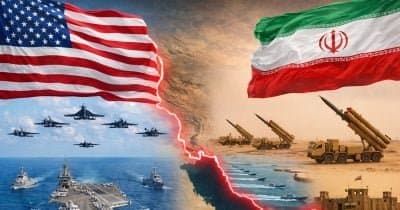
Market analyst Jane Doe commented, "The ramp-up of US military assets signals a sharp decline in diplomatic prospects between Washington and Tehran." Recent reports from i24 News, citing Israeli security sources, reveal the US is preparing the next stage of its military campaign targeting Iran. This follows previous airstrikes like Operation Epic Fury, which resulted in the death of Iran's Supreme Leader Ali Khamenei earlier in 2026 and the collapse of a ceasefire agreement.
The buildup involves the deployment of major US naval power, including the aircraft carriers USS Abraham Lincoln and USS Gerald Ford, suggesting operations far beyond isolated retaliatory strikes. These moves have intensified hostilities and indicate a willingness for sustained offensive measures against Iranian targets. This escalation complicates the potential for a diplomatic settlement, impacting market expectations about a US-Iran deal in 2026, especially concerning Iran Reconstruction Funding.
Market pricing now shows a significant drop in the likelihood that reconstruction funding will be included in any agreement, reflecting increased geopolitical risks. Observers note that ongoing military escalation weakens diplomatic channels, leaving limited room for peaceful negotiations. Attention is turning to official US government statements and Iranian responses which could shift the situation, as well as the role of mediators like Qatar and Pakistan in possibly reviving talks.
The situation remains fluid. Future developments in US-Iran relations will hinge on military actions and diplomatic efforts. Meanwhile, the US Strategic Petroleum Reserve recently hit its lowest since 1983, an indicator of wider geopolitical tensions affecting energy markets. Analysts will closely watch any announcements to gauge if further military or diplomatic moves can alter the current trajectory.