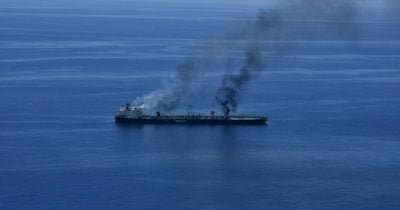
Iran-aligned militias in Yemen have intensified assaults on commercial vessels navigating the Red Sea, threatening a critical artery for global trade. These actions add fuel to already rising tensions between the United States and Iran, as Washington steps up its naval presence to safeguard shipping lanes and conducts strikes against Houthi positions. The situation endangers maritime security and risks disrupting oil supplies, with ripple effects on energy markets worldwide.
Escalation of Maritime Threats
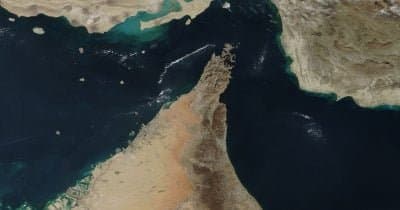
Reports confirm a surge in attacks targeting the Red Sea’s shipping routes, which serve as a strategic passage for tankers transporting crude oil. This escalation marks an expansion of Iran-supported groups’ operations, raising geopolitical risks in a region long fraught with conflict. Market data shows growing skepticism over the Strait of Hormuz returning to normal traffic levels by the end of August, as the probability of a peaceful resolution drops. Oil traders and analysts are adjusting their outlooks amid fears of prolonged instability, which could push prices higher due to supply concerns.
Responses and Regional Reactions
The U.S. military has responded by increasing escort missions and airstrikes targeting Houthi forces, reflecting its commitment to secure freedom of navigation. Meanwhile, diplomatic signals remain mixed, with Iran’s leadership carefully balancing rhetoric and military support for aligned groups. Any unexpected official statements or troop deployments from either side may further intensify the conflict, complicating efforts to stabilize the region. Analysts suggest that international mediation or renewed peace talks could alter current dynamics, but for now, uncertainty prevails. The developments closely follow a series of heightened tensions illustrated in related incidents like US moves against Iranian uranium assets, underscoring the broader contest between Washington and Tehran.