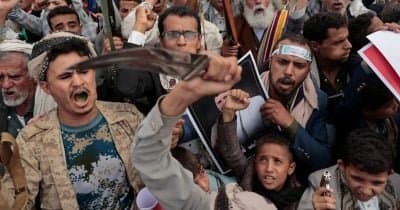
Houthi forces struck military camps across Marib and Hadramout on Tuesday, leaving at least 30 government troops dead. The attacks mark a shift in tactics. Rather than the usual barrage of drones and missiles, the group deployed ground forces in direct assaults on fortified positions, catching commanders off guard in two of Yemen's most contested regions.
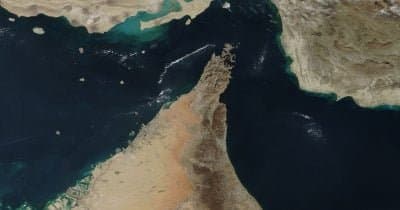
Both provinces have been grinding battlegrounds since Yemen's civil war fractured the country in 2015. Control over Marib, with its oil fields and transport routes, remains critical for whichever side holds it. Hadramout, sprawling along the coast, offers ports and strategic depth. The Houthis have pushed hard into both zones over the past year despite international mediation attempts. Tuesday's assault suggests they're not backing down, even as diplomats talk ceasefire terms in neutral capitals.
The death toll and scale of the operation hint at something broader. Prediction markets now price Houthi military action against Israel at 6 percent probability through August 31, a shift upward from earlier months. Market watchers are monitoring statements from Houthi military commanders Yahya Saree and Mohammed al-Bukhaiti for signals of what comes next. If Yemen's ground warfare escalates further, the group may feel emboldened to expand operations beyond the country's borders, though such moves remain unlikely in the near term.
For now, the camps in Marib and Hadramout remain the focus. Truce negotiations continue in the background, but on the ground, fighting only seems to intensify.
This material is informational only and does not constitute financial or investment advice. Market probabilities reflect speculative trading and should not be treated as forecasts of actual events.