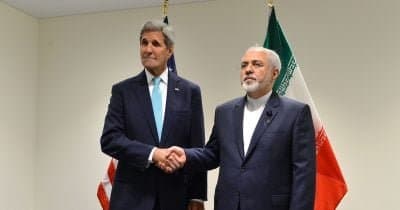
The United States is reportedly on track to gain control over Iranian uranium by the end of 2026, a move that signals a shift in the ongoing friction surrounding Iran’s nuclear program. This development arises as the International Atomic Energy Agency (IAEA) has yet to verify Iran’s enriched uranium stockpile following military strikes last year. If the US manages to secure physical custody of this uranium, it could reshape the dynamics of the US-Iran standoff and add weight to future negotiations.
Key Developments and Market Reactions
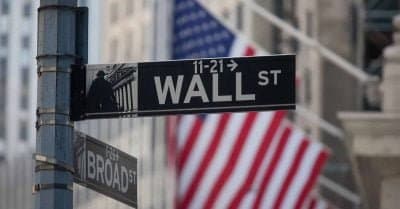
The prospect of US control over Iranian uranium suggests an escalation in the complex geopolitical contest between the two nations. Market reactions have hinted at this possibility, with price movements in related sectors indicating growing optimism about a potential US-Iran agreement. The shift toward securing uranium may be interpreted as a strategic effort to influence diplomatic use, possibly smoothing the path for talks.
Observers are closely monitoring any official confirmations or denials from Washington and Tehran regarding uranium custody. also diplomatic activities involving third-party mediators from countries like Qatar and Pakistan could provide clues about progress. The status of IAEA inspections remains a critical factor, as does any change in US policy including sanctions or military maneuvers, all of which have the potential to sway market sentiment significantly.
Diplomatic Stakes and Next Steps
Securing physical control of Iran’s uranium may serve as a key asset in negotiations scheduled or anticipated before the end of the year. The US’s approach could signal a tougher stance or a strategic bargaining chip to coax Iran back to the negotiation table. Meanwhile, the international community watches for any joint statements or breakthroughs that would confirm movement toward a deal.
While the path forward remains uncertain, this development adds a new dimension to discussions about Iran’s nuclear ambitions and the broader regional security environment. Continued attention on policy shifts and diplomatic exchanges will be key to understanding the unfolding situation.