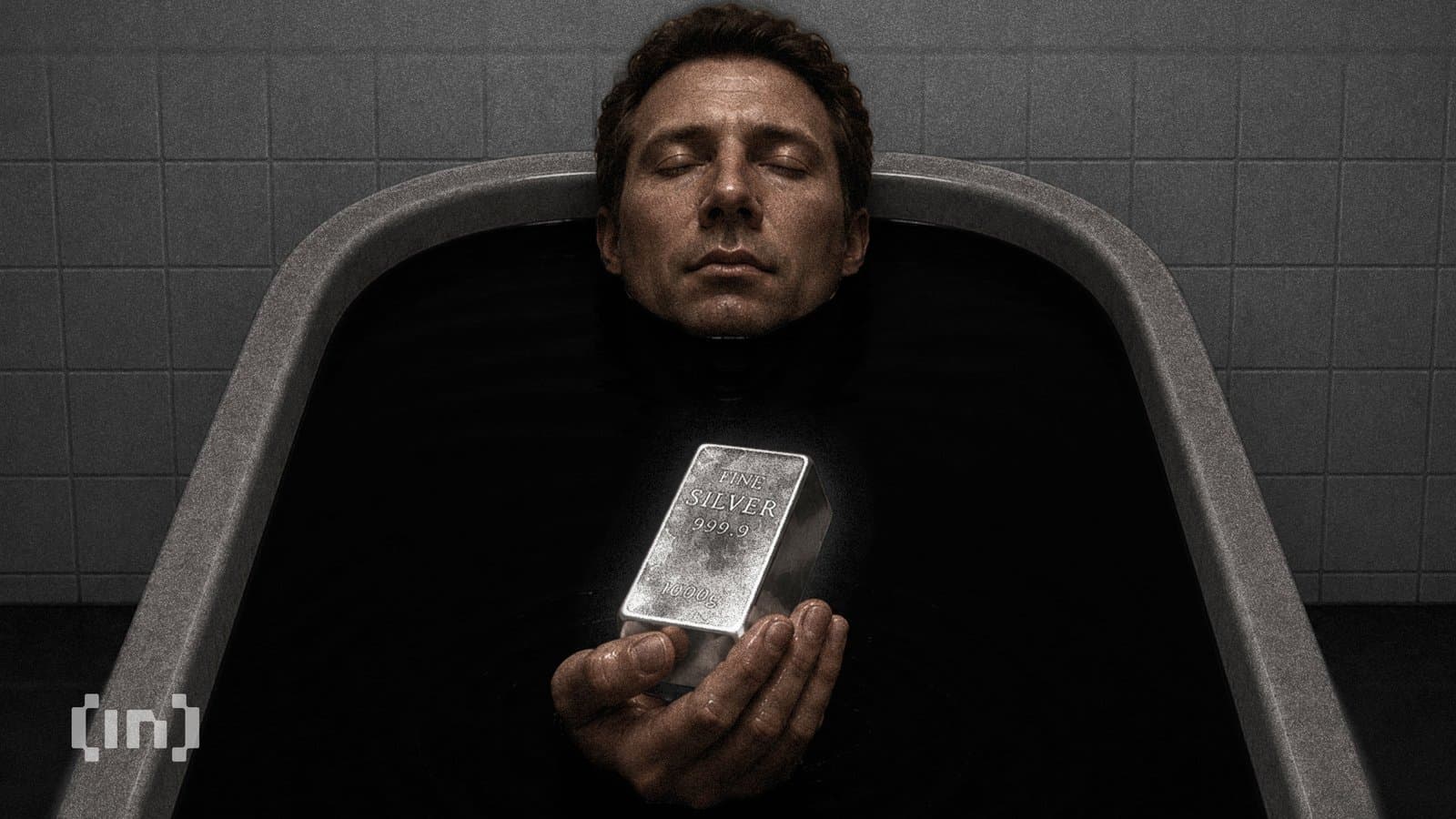
Silver crashed roughly 50% from its January peak, but First Majestic Silver just reported record revenue, record cash flow, and hiked its dividend by 217%. One five-star analyst slapped an 80% upside target on the stock. The kicker? His entire thesis ignores the metal price entirely.
The answer sits in how miners actually make money. They lock in commodity prices quarterly, banking cash at levels set weeks before the actual crash hit. First Majestic locked in higher silver prices before the selloff accelerated, so Q2 revenue came in at $415.5 million, over 50% above the year-ago quarter. Adjusted EBITDA more than doubled to $257.1 million. Free cash flow hit $194.6 million. The treasury swelled to a record $1.25 billion.
When Cash Flows Diverge from Falling Prices
H.C. Wainwright analyst Heiko Ihle raised his price target to $27 from $26 on July 31, the exact day the stock bottomed at $15.03. That 80% gain still sits within reach. Most peers followed similar logic, pricing the business instead of chasing the commodity. Scotiabank held at $22.50 neutral while BMO opened a buy at $24.87, all within days of each other.
The paradox matters because the market took the opposite bet. AG fell about 45% from its February high while these financial records stacked up. Investors panicked on silver's collapse and didn't notice the miner was actually converting weakness into fortress cash.
Silver miners amplify everything through operating use. Their all-in sustaining costs stay mostly fixed in the short run, so metal price moves flow almost entirely to profit. That magnification cuts both ways. When silver dropped hard, these stocks fell harder. But on the bounce, they move more than the metal itself. Silver rose 4% on a recent day while the SIL miners ETF gained 6.6%, showing the asymmetry at work.
This article provides market context and analysis. It is not investment advice. Always conduct your own research and consult a financial advisor before making trading or investment decisions.