Iran's hardline press is framing an Oman-brokered understanding on the Strait of Hormuz as an indirect channel to the United States. Hossein Shariatmadari, editor of Kayhan newspaper, made the characterization on August 6, suggesting the maritime negotiations carry weight beyond the two regional players involved.
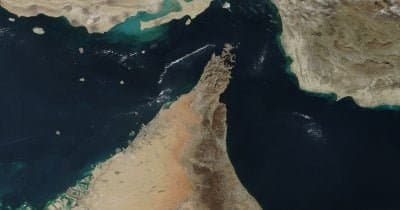
The Strait of Hormuz sits at the center of U.S.-Iran friction. Oman, a neutral neighbor, has been quietly mediating discussions about route design and management in the waterway. What makes Shariatmadari's statement notable is the signal it sends about how Tehran views the talks. By calling it an "indirect agreement" with Washington, he's essentially saying Oman's mediation carries official weight on both sides.
Markets picked up on the framing immediately. Prediction markets moved to price in higher odds for a broader U.S.-Iran deal by August 31, though optimism for a resolution by August 15 faded. The messaging suggests both capitals see diplomatic room to maneuver, even if they're not sitting across from each other.
Oman's diplomatic role is key here. The sultanate has long positioned itself as a bridge between adversaries. Its foreign ministry will likely remain central to any next moves. Watch for statements from Iran's Foreign Minister Abbas Araghchi or joint announcements from Tehran and Washington. Shipping activity changes around the strait could also signal whether talks are advancing or stalling.
This article is informational and does not constitute investment or geopolitical advice.