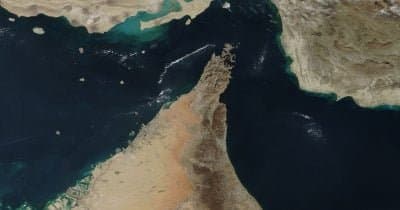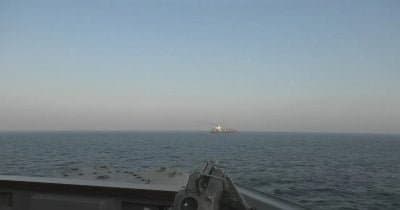
The United States military struck a tanker that tried to breach the Iran naval blockade four times, intensifying tensions in the Strait of Hormuz. U.S. forces targeted the vessel as part of a firm crackdown on ships attempting to bypass the blockade, signaling a more assertive approach to controlling maritime traffic in this vital oil transit route.
Repeated attempts by the tanker to evade the blockade prompted the strike, highlighting Washington’s resolve to enforce restrictions amidst rising conflict with Tehran. This action marks a notable escalation, with the U.S. stepping up direct interdictions of commercial shipping to maintain pressure on Iran.
The move comes amid concerns that the blockade may not end as previously anticipated by the end of July, with military engagement showing no signs of easing. Market observers now consider the conflict likely to persist, delaying the normalization of shipping through the Strait.
Officials from both sides remain silent so far, but any statements from key figures such as U.S. President Donald Trump or Iran’s Supreme Leader Ayatollah Ali Khamenei could shift the regional dynamics and market outlook. also further military activity or diplomatic talks will be critical to watch for potential changes in the blockade’s status.
Market reaction has been cautious, with prices reflecting increased uncertainty around the supply of oil passing through this corridor, as the risk of prolonged conflict influences trading behaviors and energy costs globally.