The United States has carried out military strikes targeting Iran for the 13th consecutive night, marking a significant escalation in an already tense regional conflict. These operations, ongoing since early July, focus on key Iranian sites and reflect Washington's effort to counter Tehran's influence across the Middle East.
Escalation and Regional Fallout
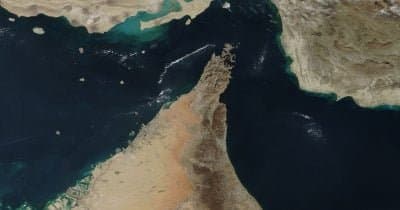
The sustained US campaign coincides with heightened geopolitical friction around the Strait of Hormuz, a vital maritime chokepoint. Washington has also placed direct blame on Iran for backing Houthi forces in Yemen, holding Tehran responsible for attacks that threaten regional security. This linkage has intensified the conflict's scope, drawing in various state and non-state actors.
Market dynamics reveal growing concerns over the unfolding situation. Prediction markets have sharply increased the odds of Houthi military action against Israel before the end of July, reflecting rising fears of further destabilization. This market response signals that traders and analysts alike view the conflict as far from contained.
The ongoing strikes and Iran's retaliatory moves shows a complex and volatile struggle, with no immediate signs of de-escalation. Analysts are closely watching for further developments from both Washington and Tehran, as well as responses from Houthi leaders and Israeli defense forces.
So far, this campaign represents one of the longest continuous series of US military actions against Iran in recent years, highlighting the challenging prospects for peace in the region.