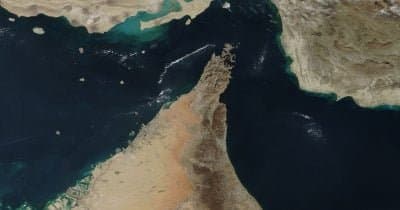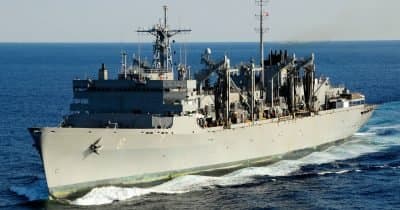
In a move that shows rising tensions in the Gulf of Oman, the US military fired two missiles at a liquefied petroleum gas (LPG) tanker believed to be carrying Iranian gas. The tanker was attempting to enter the region from the Sea of Oman when targeted, signaling a firm US stance against maritime routes linked to Iran.
Escalation in a Strategic Waterway
The Strait of Hormuz remains one of the world’s most critical chokepoints for oil and gas shipments. The US military’s decision to use kinetic force against a commercial vessel highlights the heightened security concerns and willingness to take aggressive action. This incident is part of a larger pattern of confrontations, with US Central Command reportedly engaging other vessels suspected of facilitating Iranian energy exports.
Market reactions have reflected these developments. Current pricing suggests only a 21.5% probability that shipping traffic will return to normal levels through the Strait of Hormuz by the end of September. This uncertainty stems from the ongoing military activity and the potential for further escalations.
Diplomatic and Security Implications
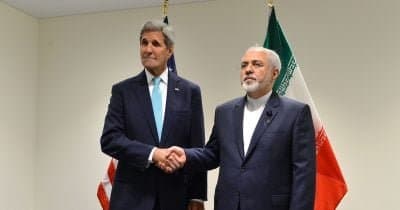
Authorities on both sides are closely watching for official responses. Key figures such as Marco Rubio in the US and Masoud Pezeshkian from Iran may offer insights into whether diplomatic efforts will intensify or if a further military buildup is likely. A ceasefire or an extension of stand-down agreements could calm tensions and improve shipping conditions, but additional strikes would likely deepen instability in the region.
These events come amid a backdrop of broader sanctions and actions targeting Iran’s networks, including US Treasury moves against crypto and gold-backed schemes linked to Tehran. The maritime strikes add another layer of complexity to an already volatile situation.
Shipping and security analysts are monitoring developments closely as they could affect global energy markets significantly. The Strait of Hormuz’s stability remains in question, with the potential for disruptions to ripple across supply chains worldwide.
This material is for informational purposes only and does not constitute financial advice.