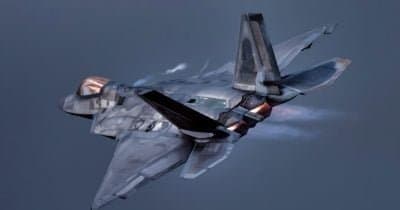
In a move signaling a closer US-Israel military cooperation, the US Air Force stationed a squadron of F-22 Raptor stealth fighters at Ovda Air Base in southern Israel for the first time ever. This deployment, which took place starting in late February 2026, included about 10 to 12 aircraft and was more than just a show of force.
The Raptors actively participated in strike missions targeting Iranian positions before they were pulled back in early July 2026. Interestingly, this withdrawal coincided closely with a new surge of Iranian missile and drone attacks against Israel, leaving some analysts questioning whether this timing was unfortunate or a calculated message.
Ovda Air Base is strategically located in the Negev desert. Its distance minimizes civilian risks while giving quick operational access to key areas across the Middle East. The base's solid infrastructure, including hardened aircraft shelters, is built to withstand ballistic missile threats a necessary precaution in this volatile setting.
During their deployment, the US and Israeli forces coordinated airstrikes on Iran. The specifics remain largely confidential, but the underlying aim was to prove that the US can launch decisive military actions directly from Israeli territory rather than relying solely on carriers or distant Gulf bases.
After the Raptors left, no similar fighter presence has been reported at Ovda. However, the US repositioned KC-135 refueling tankers away from Gulf bases due to increased Iranian threat levels. This change impacts the operational range and readiness of American jets in the region.
The proximity of US fighters to Tehran, just a 90-minute flight away, compresses Iran’s response window and shifts the strategic dynamics significantly. Meanwhile, Iranian attacks on Israel persisted through July without loss of momentum.
The defense industry stands to gain from these tensions. Lockheed Martin, the maker of the F-22, along with suppliers like Raytheon providing munitions and electronic warfare systems, are likely to see increased demand. This deployment highlights how geopolitical conflicts can ripple through aerospace and defense markets.
US arms stocks shrinking amid prolonged conflict with Iran provides further insight into related market movements influenced by this escalation.
This content is for informational purposes and does not constitute financial advice.