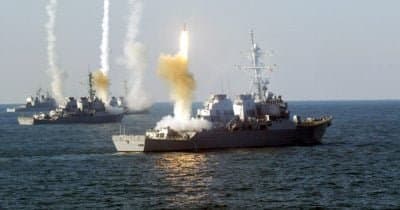
General Grynkewich recently revealed a critical gap in the U.S. military's naval power: there aren’t enough destroyers to protect both Israel and the American homeland at the same time. This shortage comes at a time when the Israel Hamas conflict is intensifying and the broader Israel Iran tensions show no signs of cooling down. It’s not about the U.S. shifting its stance on Israel it’s simply a question of stretched resources.
The Navy has been running below its ideal fleet size for years, which means commanders have fewer ships to spread across multiple hotspots. With fewer Arleigh Burke-class destroyers available, the U.S. risks reduced presence in critical waters, leaving vulnerabilities in both defense and deterrence. This shortfall means the military has to prioritize where to place these assets, potentially compromising rapid responses in some regions.
Markets have reacted to these developments with a dip in confidence regarding the Israel Iran ceasefire, reflecting fears that ongoing naval gaps could embolden escalation. Political watchers are keenly observing any changes in ship deployments and statements from leaders like President Trump or Prime Minister Netanyahu, as those could hint at shifts in strategy.
As tensions simmer and naval assets stretch thin, the strain on U.S. military operations in the Middle East looks set to continue for the foreseeable future.
This article is for informational purposes and does not serve as financial advice.