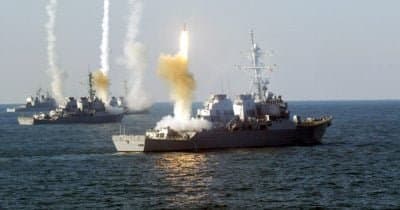
"We're going to need a lot of this stuff, so start investing in your facilities and workforce now." That's essentially what the US Department of War just told Lockheed Martin and Northrop Grumman. The Pentagon signed framework agreements with both contractors to dramatically ramp up production of Patriot and THAAD missile interceptors, with Northrop alone receiving over $3 billion earmarked for solid rocket motors and safety components. The deals target tripling annual output of PAC-3 Patriot interceptors and quadrupling THAAD production, creating a demand signal that ripples through the entire defense supply chain.
These aren't your typical "build 500 units by Tuesday" procurement contracts. Framework agreements work differently, functioning as long-term demand commitments that give manufacturers the certainty they need to expand capacity. The Pentagon is essentially telling its suppliers: invest now, and the government will buy in volume. The new frameworks layer on top of earlier 2026 commitments that already totaled roughly $93.6 billion across Patriot and THAAD programs alone. The focus here is surgical, targeting specific production bottlenecks like solid rocket motors and structural components that have historically capped how fast these systems can roll off the line. It's all part of the Department's broader Acquisition Transformation Strategy and the "Arsenal of Freedom" initiative.
The timing reflects hard lessons from ongoing conflicts. Ukraine and Iran-related tensions have shown just how quickly military stockpiles evaporate when supply chains aren't built for sustained, high-volume production. Policymakers watched inventory deplete faster than expected and decided the answer wasn't ad-hoc procurement but structural capacity building. For equity investors, Lockheed and Northrop are the obvious plays. Framework agreements provide revenue visibility that Wall Street has been craving, essentially de-risking the missile defense segment for both companies and locking in multi-year demand that competitors can't easily match. The $93.6 billion in earlier commitments alone represents a staggering federal commitment, and these new frameworks pile on top.
This article is informational only and does not constitute investment advice. Defense spending and geopolitical developments carry substantial risks and uncertainties.