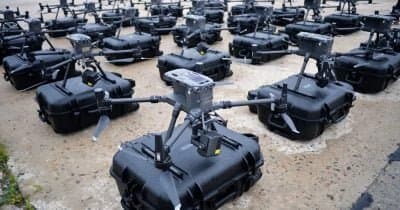
“We have shown the ability to reach targets hundreds of kilometers inside Russian territory,” a Ukrainian military official said, confirming recent drone strikes that hit critical Russian sites far from the frontline. Among the targets were a missile parts factory in Kirov and an oil facility located approximately 1,350 kilometers from Ukraine’s border. These attacks mark a significant step in Ukraine’s long-range campaign, signaling an expanding reach that could alter the conflict’s dynamics.
Ukraine’s strategic use of drones to disrupt Russian military production and energy capabilities reflects a shift toward high-intensity, reciprocal long-range operations. The precision and depth of these strikes suggest an improvement in Ukrainian military technology and planning, allowing them to penetrate deeply into Russian territory. Analysts note this capability could pressure Russia’s supply chains and morale, potentially affecting the broader war effort.
Markets have taken note of these developments, adjusting expectations for Ukraine’s military strength. Speculation is growing around Ukraine’s chances to reclaim contested regions like Crimea, especially if these deep strikes continue. However, the situation remains fluid. A solid Russian counter-response or a halt in Ukrainian offensive capabilities could recalibrate these projections. Key figures such as President Volodymyr Zelenskyy and Commander-in-Chief Oleksandr Syrskyi will likely play key roles in the unfolding military strategies.
Observers will be watching closely for further drone attacks targeting Russian assets, which could signal an escalation in the conflict’s range and intensity. The ongoing exchange of long-range strikes epitomizes the evolving nature of warfare in this conflict, with both sides adapting rapidly to new technologies and tactics.