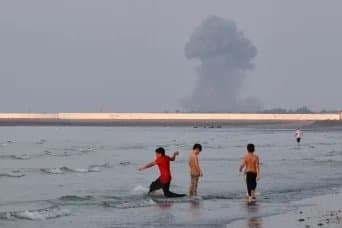
Three people died in fresh Russian airstrikes across eastern Ukraine, according to regional officials. The attacks hit Kramatorsk and Slovyansk again, adding to a relentless campaign of mass strikes that has defined the conflict for months. Each wave of bombing narrows the window for any negotiated settlement, and markets are pricing that reality in.
The math of escalation
Prediction markets tracking ceasefire odds by the end of 2026 have shifted sharply downward. The pattern is straightforward: sustained military aggression pushes peace further away. Russia's repeated targeting of the same population centers suggests no shift in strategy, no sign of exhaustion, no indication that Moscow sees advantage in talking. When casualties keep mounting and infrastructure keeps burning, the political space for compromise shrinks fast.
Trump's recent comment about U.S. ammunition supplies adds another layer to the calculation. Adequate weapons availability for Ukraine means the fighting can continue indefinitely from Washington's perspective. That changes incentive structures for all sides.
What moves the dial now
The next signals will come from Putin and Zelensky, not from battlefield reports. Any hint of direct talks, any softening in rhetoric, any backroom movement through intermediaries would shift market perception immediately. International mediation attempts, whether from the U.S. or elsewhere, could trigger sharp swings in ceasefire probability bets.
But civilian casualties tend to harden positions. Each strike that kills ordinary people makes the next round of negotiations harder to sell to your own population. That's what the markets are watching for now. The body count becomes the forecast.
This analysis is informational only and does not constitute financial advice or investment guidance.