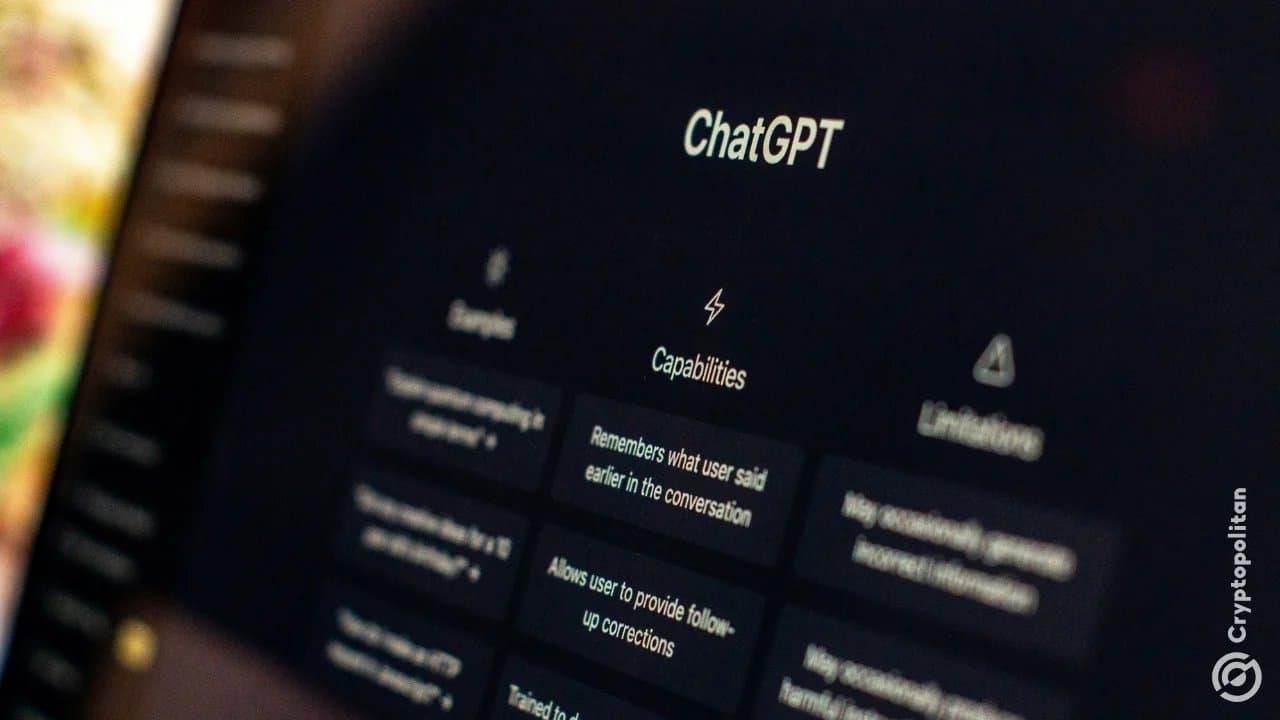
“We’re seeing a clear shift in token traffic,” says a developer closely watching AI model usage. OpenAI slashed the cost of its GPT-5.6 Luna model by 80% just weeks after its launch, signaling a strategic move to compete with cheaper Chinese alternatives gaining traction among developers handling large-scale AI tasks.
The new pricing sets Luna at $0.20 per million input tokens and $1.20 per million output tokens, a steep drop from before. Meanwhile, Terra, OpenAI’s mid-tier model for everyday activities, dropped 20% to $2 and $12 respectively. The top-tier coding model Sol remains unchanged at $5 and $30 per million tokens. OpenAI also introduced a “Fast Mode” replacing Priority Processing, promising up to 2.5 times faster execution for Sol, but at double the price $10 input and $60 output per million tokens. Existing users of Priority Processing will be migrated automatically, ensuring no disruption.
Chinese open-weight models like DeepSeek, Zhipu, and Moonshot have been outpacing US counterparts by handling over three times the token volume on platforms like OpenRouter. This competitive pressure forced OpenAI to adjust prices aggressively. The company credits some of these savings to optimizations in the Sol model’s efficiency. Despite lower token prices, subscription plans and quota budgets remain stable, as Terra and Luna consume fewer credits in services like ChatGPT Work and Codex.
This price adjustment comes amid a broader industry push where AI giants race to balance speed, cost, and capacity. Developers running massive AI workloads can now weigh faster processing against higher costs or opt for cheaper alternatives thriving in Asian markets. OpenAI’s move reflects the evolving dynamics between US and Chinese AI providers, with token economics playing a key role.
This material is for informational purposes only and does not constitute financial advice.