After US attacks damaged critical parts of Iran's infrastructure, President Masoud Pezeshkian has called for an immediate rebuilding effort. The focus is on restoring transport hubs like ports, border crossings, bridges, roads, and rail systems that were targeted during the 2026 conflict involving US and Israeli forces.
These strikes hit both military and civilian facilities, disrupting essential logistics and economic activities. The reconstruction order aims to patch up these vital networks quickly, signaling Tehran’s intent to stabilize the country amid ongoing tensions and a fragile ceasefire.
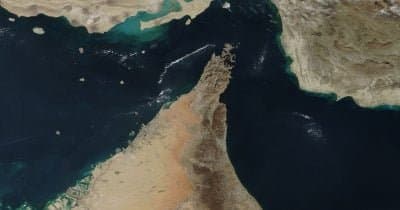
Market watchers see this move as a sign that the conflict’s impact will linger, affecting trade flows through the Strait of Hormuz. The region remains volatile, with many uncertain if commercial traffic can fully normalize by the end of August. Pricing in related markets already reflects doubts over the ceasefire's durability and the broader economic fallout.
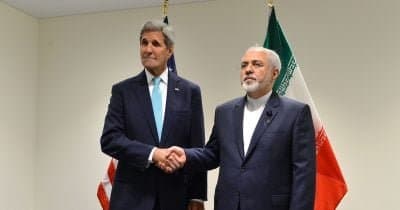
Diplomatic talks between Iran and the US will be closely monitored, as any shifts could influence the pace of reconstruction and regional stability. Announcements about peace negotiations or renewed military actions could change market expectations rapidly. Meanwhile, developments around transport routes and military presence remain key to understanding upcoming risks.