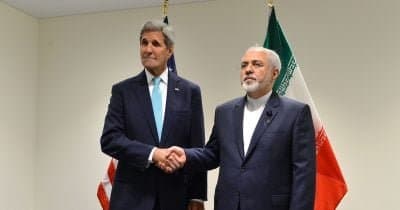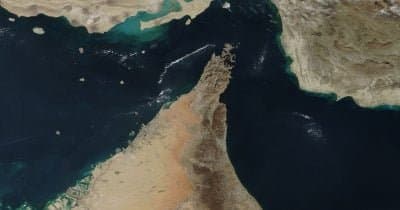
Iran remains firm on its control over the Strait of Hormuz, refusing to grant U.S. President Donald Trump a symbolic victory amid ongoing tensions. The strait, a key maritime passage for global oil shipments, continues to be a flashpoint in the strained U.S.-Iran relations. Tehran’s stance signals no immediate end to the blockade that has unsettled markets and geopolitical calculations.
Facts on the Ground
Despite diplomatic pressure, Iran maintains its blockade, directly influencing the flow of energy exports and regional security dynamics. Market assessments now assign only a 0.5% chance that this standoff will resolve by July 24, 2026, with slightly improved odds for later dates. This persistent deadlock challenges assumptions about a swift U.S. declaration ending the Iranian blockade.
Reactions and Market Impact
The refusal to offer Trump a face-saving diplomatic win complicates the scenario for Washington’s foreign policy agenda. Observers are closely watching statements from President Trump, the U.S. Central Command, and Iranian officials for hints of strategic shifts. Any change in maritime activity through the Strait would be a critical signal. Continued tensions may prolong the blockade, with ripple effects on global energy markets and diplomatic efforts. For context on related geopolitical risks, see the U.S. Treasury’s crackdown on Iran-linked networks.