London issued a formal condemnation on July 23 of the latest Houthi attacks on Saudi Arabian oil tankers, calling on the group to stand down. The strikes have been hitting Saudi-linked shipping in the Red Sea using ballistic and cruise missiles, a step up in both frequency and firepower compared to earlier phases of the conflict.
The Bab el-Mandeb corridor is at the center of the concern. Roughly 10% of global seaborne oil passes through that chokepoint before reaching the Suez Canal or rounding the Horn of Africa. Any sustained disruption there feeds almost instantly into WTI and Brent pricing, and traders are already pricing in a higher risk premium on Red Sea cargoes.
What the timeline looks like
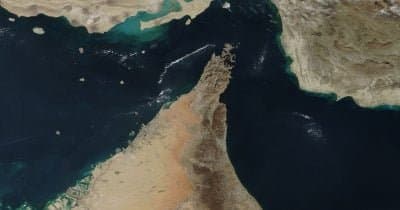
The attacks on Saudi-linked vessels mark a notable widening of Houthi targeting. Previously the group focused mainly on Israeli-affiliated or US-adjacent shipping; hitting Riyadh's tankers directly raises the stakes for Gulf producers. Prediction markets were tracking Strait of Hormuz traffic as a key signal, with the normalization scenario benchmarked against a July 31 deadline. As of the condemnation, that route remained open and traffic was running at normal volumes.
The UK's statement puts diplomatic pressure on the Houthis but stops short of announcing new naval operations. The UN Security Council and major oil exporters are being watched for follow-on moves. Any additional strikes, or conversely any ceasefire signal, would shift those market probabilities quickly. With drone strikes already reported at Kuwait's Abdali border crossing with Iraq, the broader Gulf security picture is deteriorating on multiple fronts simultaneously, which makes de-escalation harder to achieve through diplomacy alone.
Saudi Arabia has not publicly announced retaliatory measures, but the combination of UK pressure and continued attacks keeps the situation fluid heading into the final days of July.
This article is for informational purposes only and does not constitute financial or investment advice.