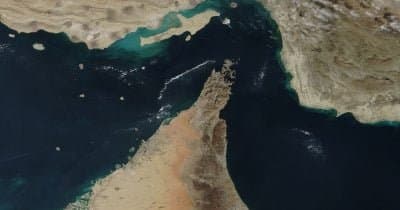
Saudi Arabia halted its bombing campaign against Houthi forces in Yemen this week, reopening diplomatic talks through Oman just as the Iran-backed militia threatened to blockade the Bab el-Mandeb Strait. That narrow waterway handles roughly 12% of global maritime trade, making even a temporary closure catastrophic for oil markets.
The pause marks the second serious ceasefire attempt in five years. A 2022 truce collapsed within months as both sides resumed strikes. This time, the stakes feel sharper. Houthi drones and anti-ship missiles have grown deadlier with Iranian backing, while Saudi Aramco's oil facilities remain exposed to direct attack. By July, the cycle had turned vicious again, with coalition strikes on Hodeidah and Sanaa airport triggering escalating Houthi retaliation.
Oman, the only regional player both sides trust, stepped back into the gap. The sultanate has quietly brokered every pause since 2015, when Saudi-led forces first entered Yemen to prop up the internationally recognized government. This time feels different only because the blockade threat forced everyone's hand. A sustained disruption to Red Sea shipping would ripple through energy prices worldwide within days.
Crypto traders are already watching. Bitcoin and other digital assets have increasingly become the default safe-haven play when geopolitical risk spikes, drawing money that once flowed purely into gold or bonds. The blockade threat alone was enough to spark renewed conversations about digital assets as a hedge against regional instability.
Whether Oman can hold the ceasefire longer than 2022 remains the open question. Both sides have reasons to talk, but neither has shown the patience required to actually stick with it.
This article is for informational purposes only and should not be construed as financial or investment advice. Geopolitical developments can affect multiple asset classes, but past correlation is not a guarantee of future performance.