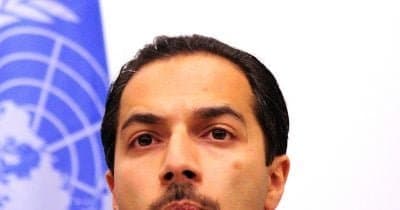
Trita Parsi, Middle East analyst, argues that Israel's military foothold in southern Lebanon has become the central problem blocking any durable regional peace. The Israeli forces dug in near the Litani River are not just holding ground, they are holding hostage the entire ceasefire framework that's been discussed for months.
The core issue is simple. Israel says it needs a security buffer. Hezbollah and Lebanon say the buffer is occupation. Between those two positions sits the Litani, a line on the map that has become the line between ceasefire and stalemate. As long as Israeli troops remain, diplomatic channels stay frozen. The math doesn't work.
What's actually on the ground
Israeli military operations continue across southern Lebanon in patterns that suggest Tel Aviv has no immediate plans to withdraw. Prediction markets have already priced in this reality, with confidence in a ceasefire holding through August 31 dropping measurably. Traders are betting on what Parsi is arguing, just with numbers instead of words.
The operational tempo matters. Each new Israeli action near the Litani compounds the diplomatic damage. Local militias respond, which prompts Israeli reinforcements, which makes Hezbollah dig in deeper. This is the cycle that ceasefire agreements are supposed to break, but you can't break a cycle when one side maintains military control of the disputed territory.
What happens next depends on Trump and Netanyahu
The coming days will be key. Donald Trump has use with Netanyahu, at least on paper. Benjamin Netanyahu has use with his own military establishment. One public statement from either man could shift the entire equation, or it could confirm that Israel intends to stay put. Markets are watching for any signal.
The reality on the ground in southern Lebanon will keep pace with the rhetoric from Washington and Jerusalem. If Israeli operations continue expanding, ceasefire odds collapse further. If they freeze, diplomacy gets oxygen. But Parsi's core argument remains: you cannot negotiate a lasting ceasefire while one party occupies the disputed territory. History suggests he's right about that.
This article covers geopolitical factors affecting market sentiment and regional stability. It is provided for informational purposes and should not be construed as financial or political advice.