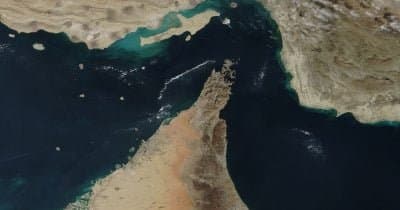
A vessel took a direct hit near the Strait of Hormuz, with Al Hadath's footage showing thick smoke billowing from the strike. The attack marks another escalation in what's become a grinding pattern of maritime incidents around one of the world's most critical energy passages, where roughly one-third of all seaborne oil passes through daily.
No group has claimed responsibility yet. Authorities are still investigating what weapon was used and the extent of damage to the ship. What matters most right now: the incident has already shifted market expectations. Traders are now pricing in a much lower chance that traffic through the Strait normalizes by the end of September.
The Hormuz corridor has always been fragile territory. Iranian and Omani actions shape everything that moves through those waters. Right now, the region sits in a state of permanent tension where one projectile can ripple across global energy markets and reshape shipping insurance costs overnight. Any verified statement from Tehran or Muscat about de-escalation could flip sentiment quickly, but the opposite is equally true. Another attack or a formal threat from maritime authorities would likely lock in longer disruptions and keep traders pricing in sustained chaos.
This is informational analysis of market conditions and geopolitical risk factors, not investment advice or a forecast of energy prices.