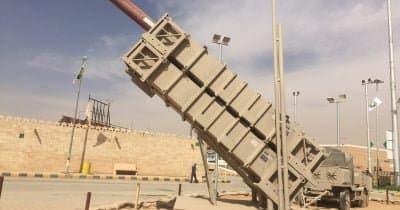
For the first time in over a decade, Saudi warplanes have gone silent over Yemen. The kingdom has halted airstrikes against the Houthi movement and begun secret talks brokered by Oman, a development that caught regional observers off guard even as it signals something bigger shifting beneath the surface.
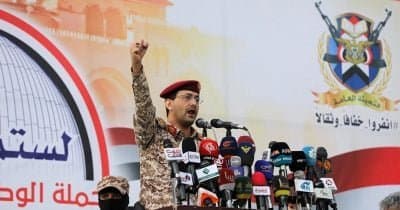
This pause matters because air operations have been Saudi Arabia's main weapon since 2015. Stopping them doesn't happen by accident. Oman, which has maintained diplomatic ties with everyone from Tehran to Riyadh, is handling the mediation. The fact that talks are happening at all suggests both sides see something worth exploring before the next round of escalation.
Why Now, Why This Way
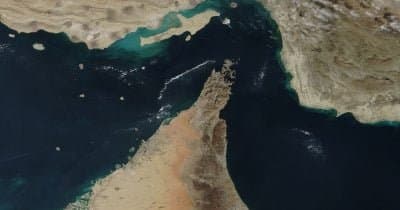
The timing overlaps with broader UN-led de-escalation efforts across the Middle East. Saudi officials haven't made grand statements about permanent ceasefire or peace treaties. Instead, the move reads like a tactical pause. Observers watching prediction markets have already started pricing in higher odds for US-Iran diplomatic engagement by late August 2026, interpreting the Saudi-Houthi slowdown as part of a larger regional thaw.
Iran backs the Houthis financially and militarily. Any Saudi-Houthi conversation implicitly involves Tehran. The conversation chain matters here because moves in Yemen ripple through Washington's calculations about direct US-Iran talks. Markets are betting the pieces are moving in that direction.
What Comes Next
The real test arrives when someone breaks silence. Saudi Arabia or the Houthis will eventually announce whether this is a formal ceasefire, a temporary truce, or just a breathing space before fighting resumes. Oman's role becomes even more critical if talks stall. Iran's response will shape whether American diplomats see room to move on their own channels.
For Yemen, a genuine pause could mean relief for a population that's been caught in the crossfire. For the broader Middle East, this moment could either open doors or simply delay the next conflict. The prediction markets are watching. So are the capitals.
This article provides market and geopolitical context for informational purposes only and should not be considered investment or political advice.