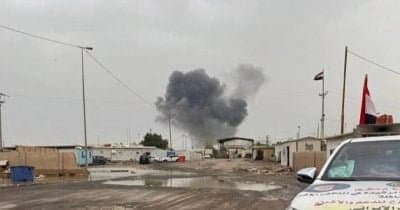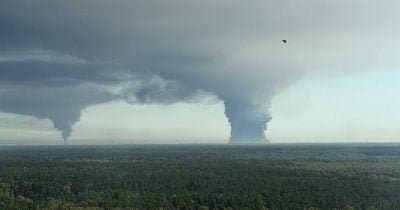
On July 22, 2026, Ukraine struck two warehouse facilities belonging to Wildberries, Russia's largest online retailer, setting terminals in the Moscow and Tambov regions on fire.
Ukrainian military sources describe the campaign as a deliberate shift toward dismantling Russian logistics and supply chains rather than focusing solely on frontline targets.
Kyiv claims both facilities handled dual-use goods and military components, framing the strikes as legitimate disruption of rear-area support infrastructure.
Russian officials confirmed fatalities, injuries, and significant structural damage at the affected sites, though exact casualty figures have not been independently verified.
The attacks were reported by The Guardian and corroborated by Ukrainian military outlet Militarnyi, which described them as the opening phase of a broader campaign against warehouse infrastructure inside Russia.
Long-range drone strikes have been Ukraine's primary tool for reaching targets deep inside Russian territory, where conventional weapons cannot operate without crossing internationally sensitive thresholds.
Wildberries, founded in 2004 and now valued in the tens of billions of dollars, operates one of the densest warehouse networks in Russia, making its terminals strategically relevant as chokepoints in the country's domestic supply chain.
The targeting of civilian-adjacent commercial infrastructure marks a notable escalation from earlier strikes on oil depots and ammunition storage, signaling that Ukraine is broadening the definition of what constitutes a legitimate rear-area target.
Observers are watching for any Russian military or diplomatic response that could accelerate retaliatory strikes on Ukrainian cities or alter the pace of operations around Sloviansk, where Russian advances have stalled in recent weeks.
International support dynamics remain a variable: increased NATO involvement or expanded sanctions could change how both sides calibrate future strikes on infrastructure. The Treasury's recent freeze of a $130M crypto wallet linked to Iran's IRGC shows that financial pressure on conflict-adjacent actors is already a live tool in Western policy.
This article is for informational purposes only and does not constitute financial or investment advice.