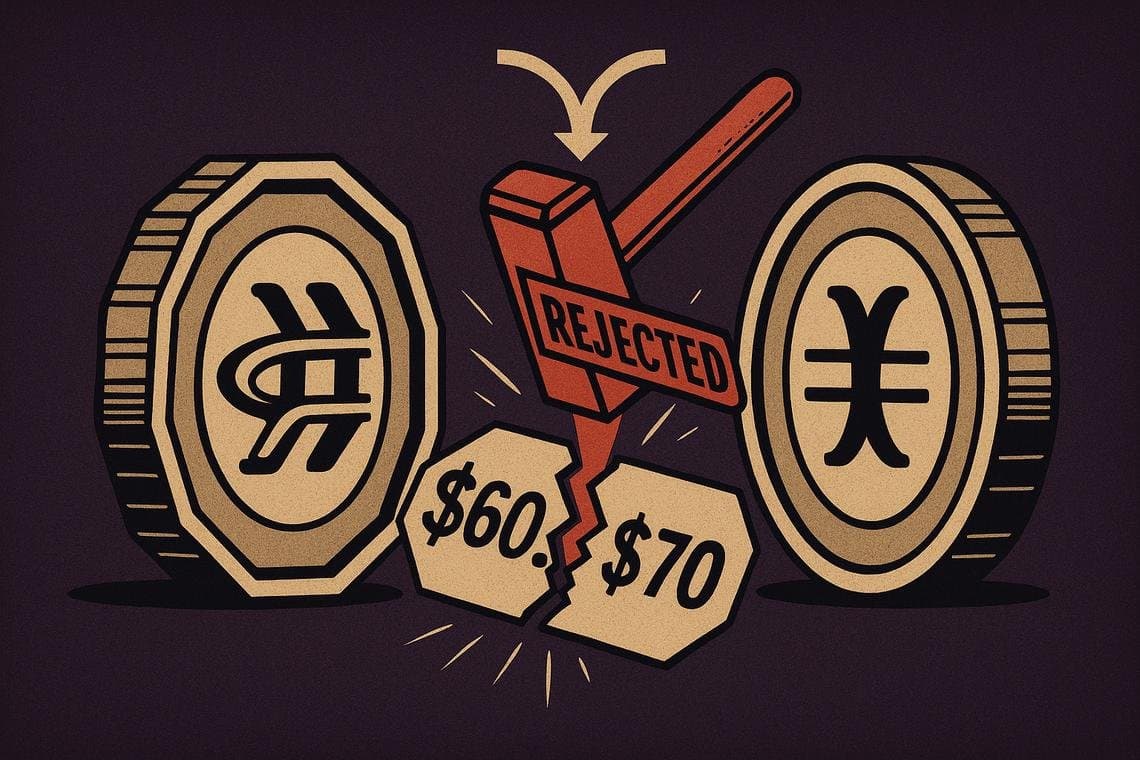
PayPal’s board made a decisive call by rejecting a $53 billion buyout bid from Stripe and Advent International on July 20. The offer peaked at $60.50 per share, representing a 28% premium, but PayPal insisted on a price closer to $70 per share. This refusal marks one of the most significant strategic moves by the company in years, placing huge expectations on its leadership and future performance.
The Stakes Behind PayPal’s Decision
The formal proposal, announced five days earlier, included about $50 billion in bank financing and envisioned Stripe and Advent splitting ownership equally, while keeping PayPal intact. Despite the tempting premium, PayPal’s advisors at Goldman Sachs and Evercore pushed back, believing the company is worth substantially more. That $10 per share difference is more than just a bargaining chip: it reflects PayPal’s confidence in its ability to generate greater value for shareholders on its own.
Still, this is a bold bet. PayPal’s shares have lost nearly 90% of their peak value from July 2021, falling from $305.88 to around $47 before the buyout offer. Revenue growth is mixed: Venmo boosted sales by roughly 20% to $1.7 billion in 2025, yet the core branded checkout business grew only 1%-2% when adjusted for currency. These figures shows the challenge for new CEO Enrique Lores, who has been at the helm since early 2026. He faces intense pressure to justify the board’s decision and revive PayPal’s growth trajectory.
Stripe’s own moves provide context. Valued at $159 billion in early 2026, it has recently spent $1.1 billion acquiring Bridge, a stablecoin infrastructure player, and backed the payment blockchain Tempo, which raised $500 million at a $5 billion valuation. Advent International, meanwhile, brings deep fintech experience, having invested over $7.8 billion in 18 companies, including Worldpay and Nexi. Their interest in PayPal highlights the potential they see to unlock greater value through ownership, yet PayPal believes it can deliver that independently.
This refusal to sell signals confidence in PayPal’s path, but also a heavy burden. The company must now prove its independent strategy under new leadership can outperform the proposed buyout price and restore investor faith.