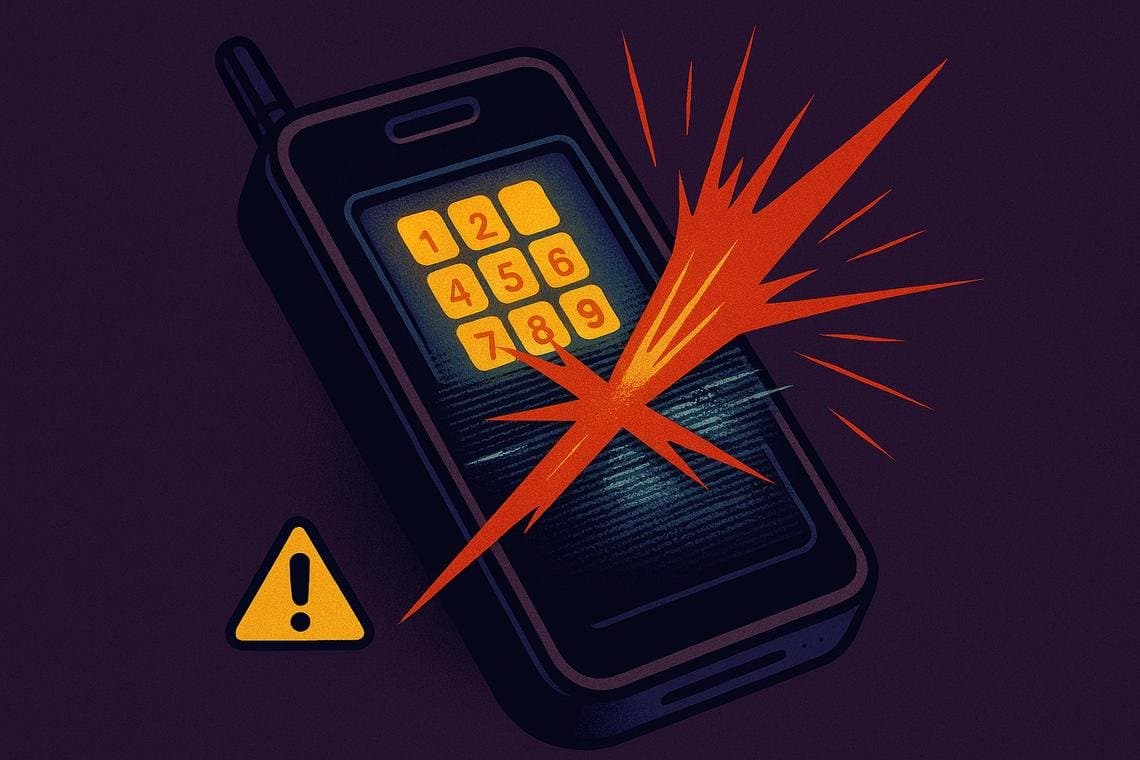
At Atlanta's Hartsfield-Jackson airport, January 2025, Samuel Tunick handed over his phone passcode to border agents. Instead of unlocking the phone, the screen went dark, blinked several times, and wiped itself clean. This was no accident: Tunick’s phone was running GrapheneOS, an Android-based system with a special feature a duress password that instantly erases all data. Now, Tunick faces federal charges, marking the first U.S. case tied to this technology during a warrantless border search.
US Customs and Border Protection stopped Tunick without a warrant. The government relies on the border search exception, a legal loophole that lets officials search and seize devices without judicial approval while a traveler is entering the country. When agents entered the code he provided, the phone destroyed its own data.
The charge comes under a rarely used federal law, 18 U.S.C. § 2232, which penalizes knowingly destroying property to prevent law enforcement from seizing it. Tunick’s lawyers argue the entire detention violated his rights. A federal judge will soon decide whether the evidence seized can be suppressed.
According to court documents, Tunick was pulled aside for secondary inspection after returning from the Dominican Republic. Agents demanded access to his phone but didn’t show any warrant or court orders. Tunick, an activist from Atlanta, complied by giving his passcode, which triggered the phone’s wipe. His attorneys say agents refused to let him consult a lawyer and never informed him of his rights. They also claim the agency’s suspicion of child exploitation imagery was unsubstantiated.
This incident spotlights the clash between emerging security technologies and border enforcement practices. GrapheneOS’s duress password feature is designed to protect privacy by erasing encryption keys on command, but here it has led to criminal charges. The case sheds light on how digital privacy tools collide with law enforcement at borders, where the usual constitutional safeguards are weaker.
The ongoing legal battle will test the limits of the border search exception and could set precedent for other cases involving encrypted devices and privacy-focused operating systems. As technology evolves, so do the challenges at the intersection of civil rights and national security.