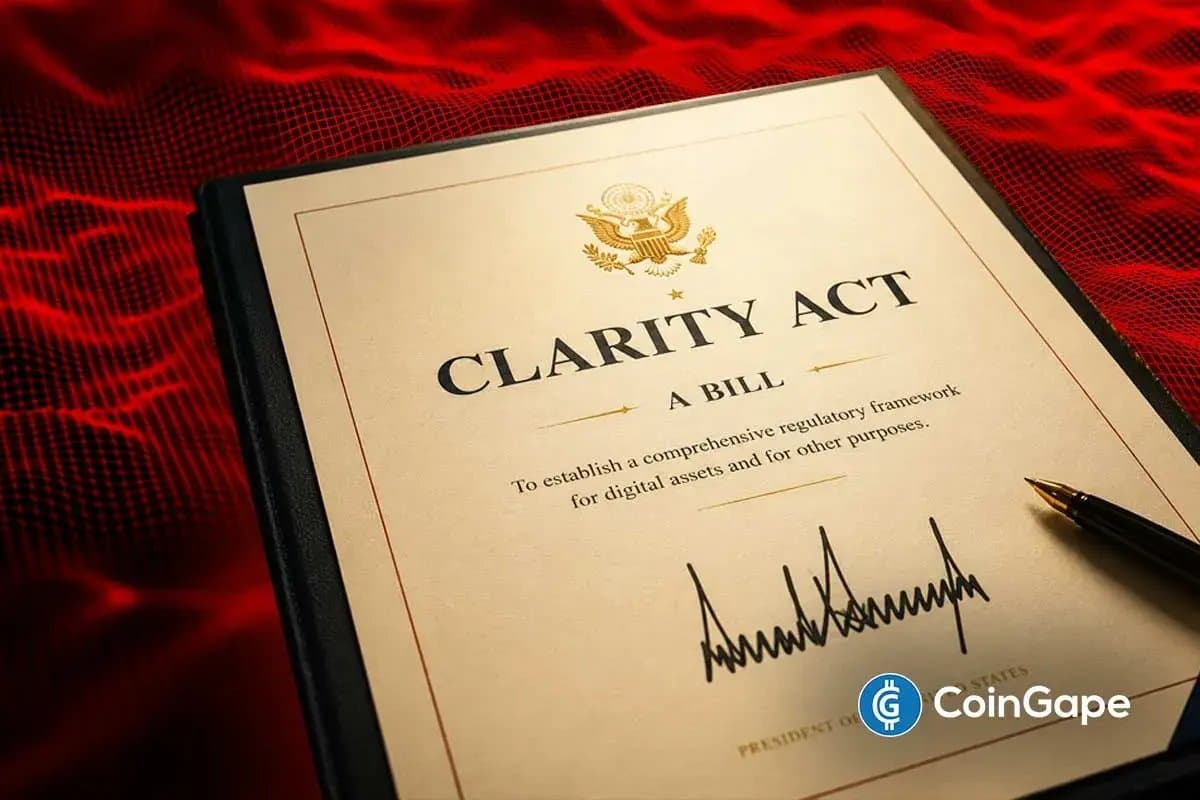
Senator Josh Hawley announced he'll vote against the Clarity Act, the Republican-backed crypto bill aimed at clarifying regulatory jurisdiction between the SEC and CFTC. The move caught many off guard in an industry that expected broader GOP support for clearer digital asset rules.
Coinbase CEO Brian Armstrong fired back almost immediately. He challenged Hawley's reasoning and pushed back on what he saw as obstructionist tactics at a critical moment for crypto regulation. The exchange has been one of the most vocal advocates for the Clarity Act, viewing it as essential infrastructure for the sector's growth in the US.
Hawley's opposition centers on concerns that the bill doesn't go far enough in protecting consumers or that it tips the scales too heavily toward the crypto industry. The senator has positioned himself as a tech skeptic in certain areas, though he's supported other blockchain initiatives. His no vote signals that Republican unity on crypto policy isn't guaranteed, even when the party broadly favors deregulation.
The timing matters. The crypto industry has been pushing for regulatory clarity for years, arguing that ambiguous jurisdiction between agencies stifles innovation and pushes American companies offshore. The Clarity Act represents the most serious legislative attempt to address this in Congress. Armstrong's response shows how much Coinbase and other major players are betting on this specific bill.
Hawley's stance doesn't kill the bill, but it complicates the path forward. Crypto advocates will need to either convince him or secure enough Democratic votes to offset Republican defections. Either way, the dispute highlights that crypto regulation in Washington remains fragmented and unpredictable, with no clear consensus even among the party traditionally seen as more friendly to the sector.
This article is informational only and does not constitute financial or investment advice.