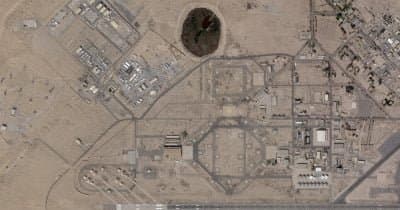
"This strike signals a worrying new chapter in the Gulf conflict," noted a regional security analyst following reports that Iran’s Islamic Revolutionary Guard Corps (IRGC) targeted the Ali Al Salem Air Base in Kuwait, operated by U.S. forces. The assault marks a clear escalation in Iran's military actions against American installations within Gulf states, highlighting Kuwait’s emerging role as a hotspot in this ongoing confrontation.
The attack was first reported on social media by Iran International and shows a pattern of Iranian strikes on U.S.-linked sites in the region. While independent sources have yet to verify the extent of damage or confirm casualties, the incident has already raised alarms among defense experts and market watchers alike. Kuwait, traditionally a strategic ally hosting U.S. troops, now faces increased risk amid this intensifying hostile environment.
Market reactions reflect growing concerns about instability in the Gulf. Investors are pricing in the potential for further Iranian military moves, which could disrupt regional security and energy supplies. Although the assault does not amount to an invasion, it signals Tehran’s willingness to expand pressure beyond direct borders, driving uncertainty in both diplomatic and economic arenas.
Analysts will closely monitor responses from U.S. and coalition forces, as well as any statements from IRGC commanders. Diplomatic efforts by Gulf neighbors such as Saudi Arabia and the UAE may also influence the trajectory of this conflict. Verified reports on the aftermath of the strike will be key to assessing future risks. In a related context of shifting regional dynamics, recent developments like US pressure over China’s AI advances and Solana’s explosive equity trading growth illustrate the broader strategic competition shaping today's geopolitical landscape.