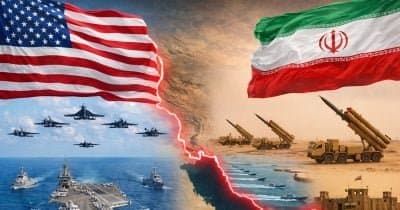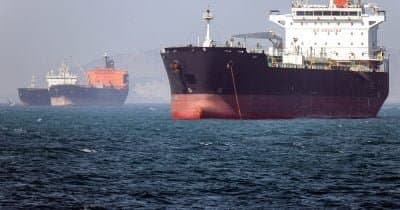
Iran's Islamic Revolutionary Guard Corps attacked two oil tankers in the Strait of Hormuz, intensifying the ongoing 2026 regional crisis. This action follows the collapse of an interim ceasefire earlier in July and comes alongside a recent U.S. naval blockade, further destabilizing the vital shipping route.
The Strait of Hormuz is a key artery for global oil shipments, and Iranian measures have effectively blocked traffic since late February, creating significant supply chain disruptions. Market projections assign only a 13.5% chance that navigation through the strait will return to normal by August 31, reflecting widespread skepticism about a rapid resolution.
Impact and Monitoring
Escalations remain consistent with scenarios where the strait continues to be closed, posing risks to global oil supply. Observers are advised to watch for diplomatic talks between Iran and the United States. Signs such as peace agreements or joint statements could signal easing tensions, while further military threats or declarations by Iranian officials reaffirming closure may dampen hopes for reopening.
The situation is highly fluid and rapidly evolving, with developments likely to influence markets and geopolitical calculations. For ongoing updates on the conflict and related U.S. military actions, see the recent US airstrikes on Iranian targets.
This material is for informational purposes and does not constitute financial advice.