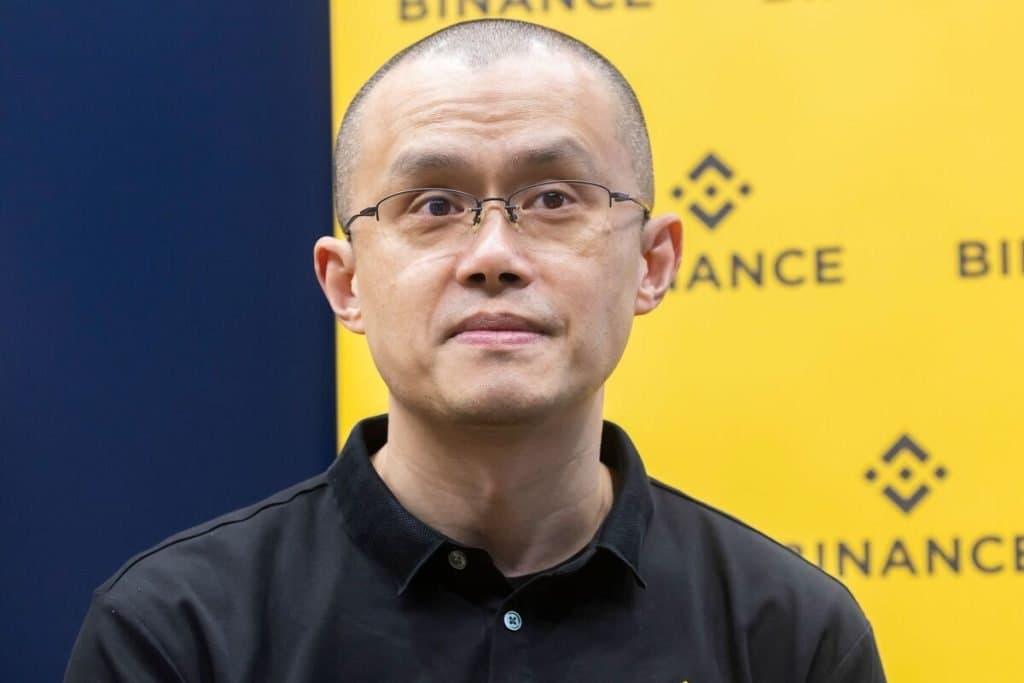
At the 2026 ASEAN Tech Summit in Manila, Changpeng Zhao, founder of Binance, proposed a bold step towards regional crypto integration a single licensing system for all ASEAN countries. With a population nearing 700 million, the Southeast Asian region presents vast opportunities, but inconsistent regulations across nations have stalled crypto companies' growth.
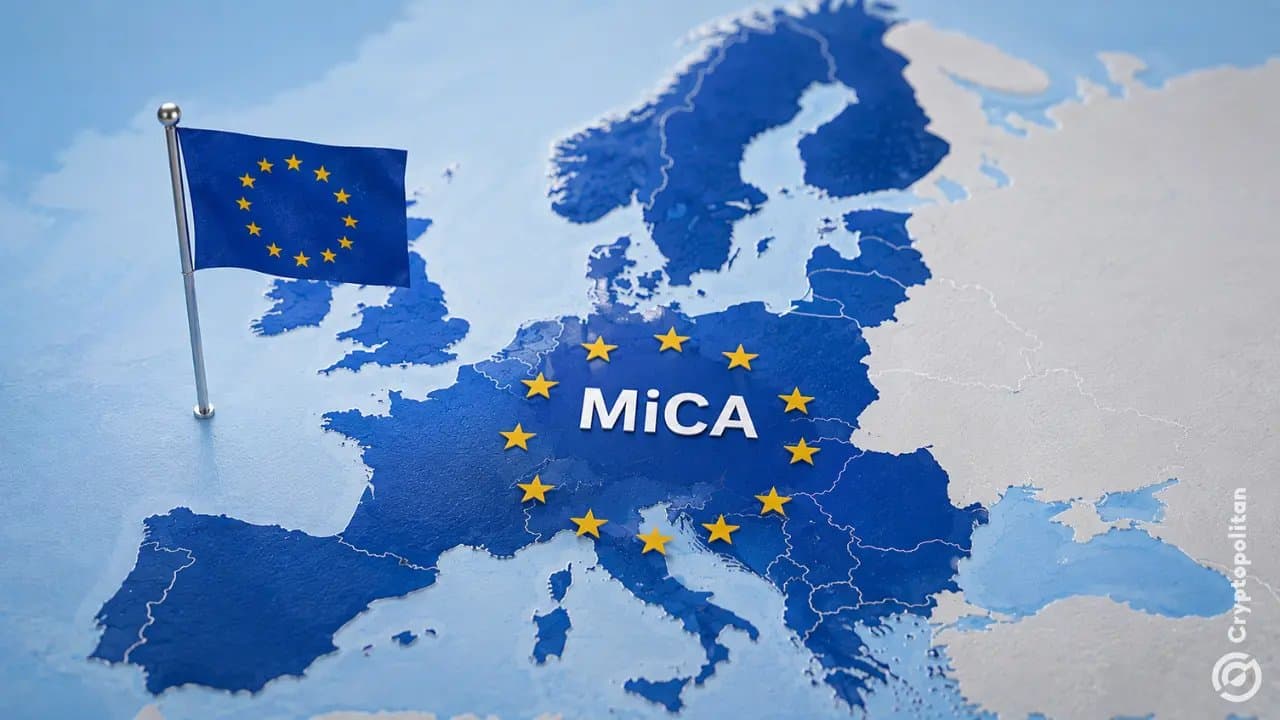
Zhao called for a common “crypto regulatory passport” that would allow companies licensed in one ASEAN country to operate freely in others without repeated licensing. This system, similar to the EU's passport mechanism for financial institutions, promises to reduce operational hurdles and costs, accelerating innovation in blockchain and digital assets across the region.
Benefits and Challenges of a Unified Framework
Currently, each country enforces its own licensing regimes, creating a patchwork of rules that complicate cross-border activities for crypto firms. A unified license could harmonize standards for investor protection and anti-money laundering efforts, fostering trust and stability in the market.
However, experts caution that the economic diversity within ASEAN and varying regulatory priorities could make implementation tricky. Despite this, the potential for a smoother regulatory environment remains attractive for startups targeting regional expansion.
Changpeng Zhao's appeal reflects growing momentum among industry leaders to streamline crypto regulations, echoing other developments such as crypto firms acquiring licensed EU platforms amid MiCA enforcement that ease cross-border operations. Whether ASEAN countries can bridge their differences to create such a system remains to be seen, but the conversation has clearly gained urgency.
This material is informational and does not constitute financial advice.