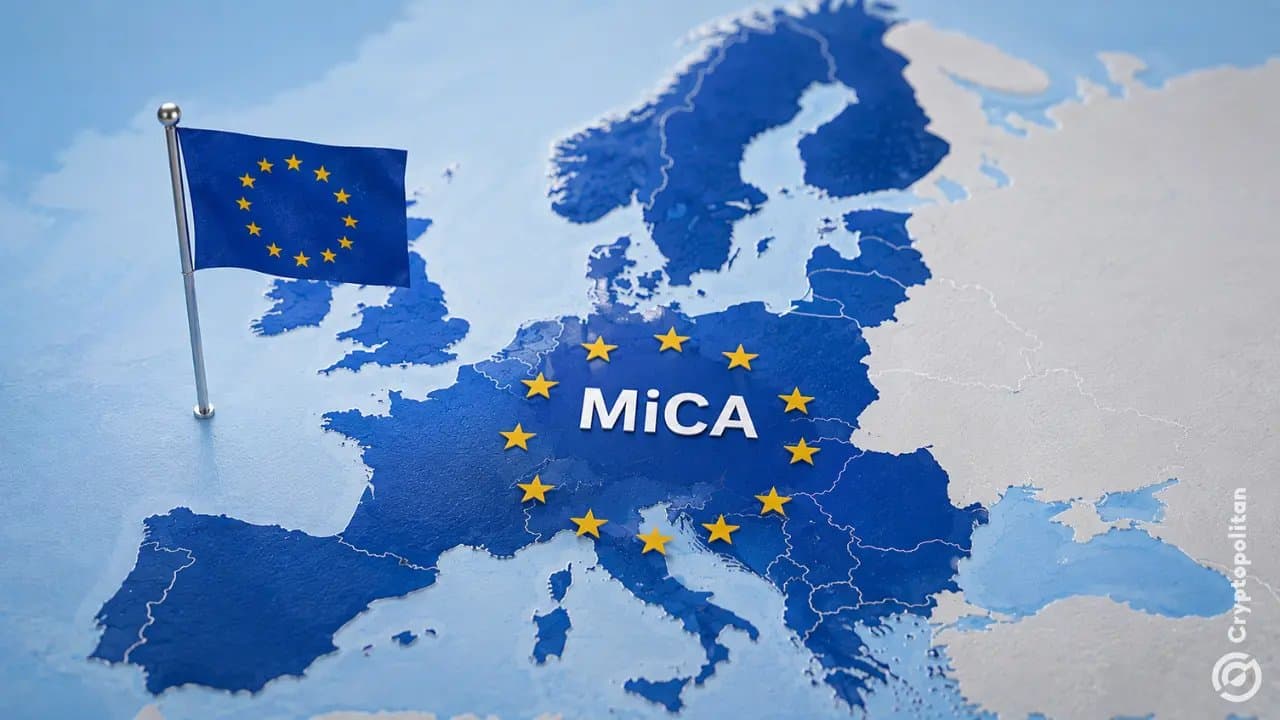
The countdown ended on July 1, 2026. Since that date, any crypto-asset service provider operating in the EU or EEA must hold a MiCA CASP licence. Companies without one face a hard choice: shut down their European operations or acquire a licensed player to continue business.
Licensed exchanges already control the lion's share of trading volume. According to data from Kaiko cited by The Block, authorized platforms handled about 83% of European crypto trading by mid-2026. This dominance has put enormous pressure on smaller or unlicensed firms scrambling for access.
Why Buying Beats Applying for Many
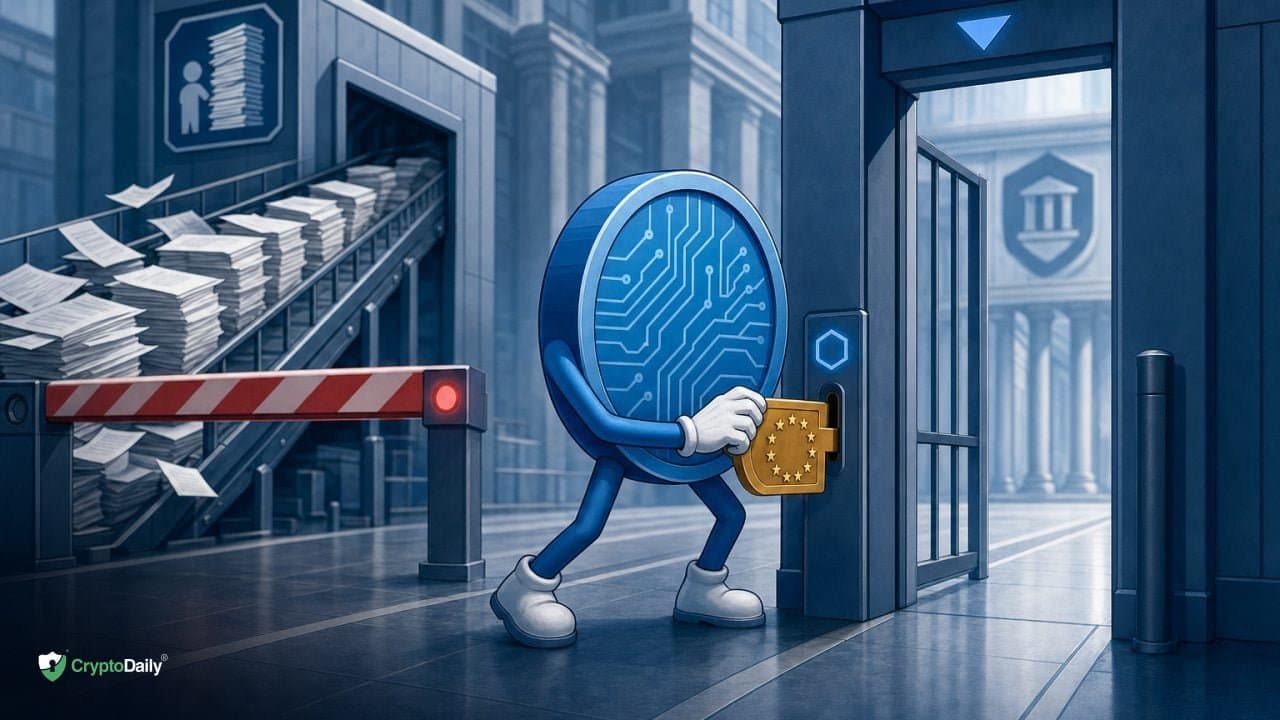
Applying for a fresh licence isn’t impossible but it’s a lengthy, costly, and complex process. Providers must build detailed compliance frameworks covering AML, custody safeguards, audits, staffing, and surveillance all while racing against competitors. Time-to-market can stretch for months or more depending on the member state’s regulator and the quality of the application.
Acquiring an already authorised CASP offers a shortcut. It sidesteps the lengthy review period because the licence is active and passport-ready across the EU. However, buyers inherit risks too: previous compliance issues, governance weaknesses, or operational gaps become their liability from day one. Change-of-control approvals and thorough fit-and-proper checks can delay integration but overall it accelerates market entry.
Just 338 CASPs were authorised across the 26 EEA states as of late July 2026, heavily concentrated in Germany, France, and the Netherlands. This limited pool creates bidding pressure, pushing prices higher while compressing timelines a reality firms must weigh carefully when deciding whether to buy or apply.
Luxembourg’s financial watchdog clarified the stance bluntly, leaving no room for unauthorized operations post-deadline. With the market clearly favoring licensed entities, the M&A path goes beyond theory and into necessity for many players.
This material is informational and not financial advice.