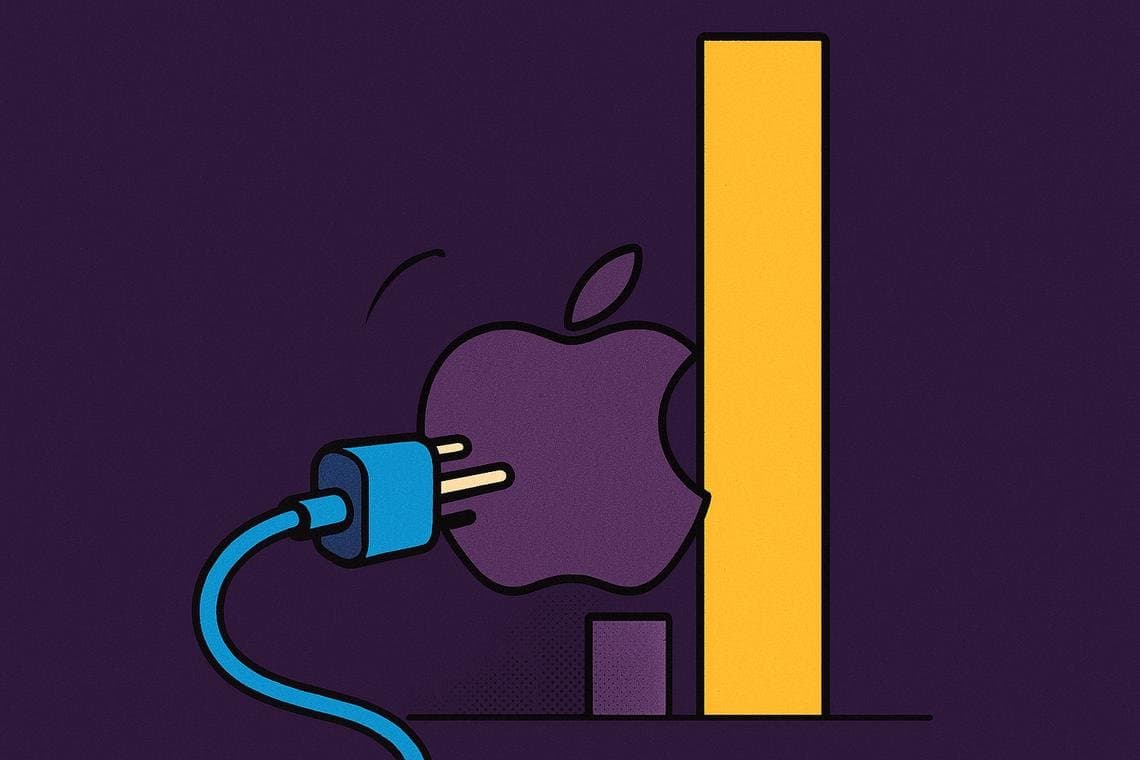
Apple intends to invest around $13 to $14 billion in AI-related capital expenditures for 2026, a modest increase from last year’s $12.72 billion. Despite this rise, the figure sharply contrasts with the combined AI infrastructure spending plans of Amazon, Microsoft, Meta, and Alphabet, who are projected to pour between $650 and $700 billion into AI development during the same period.
Balancing AI Ambition With Strategic Restraint
The relatively restrained spend by Apple indicates a cautious, targeted approach rather than an aggressive one aimed at dominating AI infrastructure. CEO Tim Cook has described this investment as primarily supporting Apple’s Private Cloud Compute infrastructure, which enhances AI features in new devices. Apple’s business strategy revolves around premium hardware and a tightly integrated ecosystem, reducing the need for sprawling AI compute investments.
By contrast, Apple’s main competitors view owning vast AI infrastructure as essential. Their spending represents one of the largest coordinated capital commitments in corporate history, underscoring their belief that AI capabilities are vital for future success. Despite having more than $130 billion in cash reserves and having returned $104.7 billion to shareholders in fiscal 2025, Apple chooses to sidestep this capital arms race.
Apple is instead collaborating with Google on integrating the Gemini AI system a partnership reportedly worth $1 billion annually and tapping into OpenAI technologies, avoiding the hefty costs of building its own massive AI infrastructure from scratch. This strategy also reflects Apple's focus on efficiency rather than sheer scale.
The disparity in spending fuels debate among investors: is Apple’s approach prudently prioritizing its core strengths or risking falling behind in the AI race? While rivals aggressively scale AI infrastructure, Apple leverages partnerships and optimizes for its ecosystem.
This content is informational and should not be considered financial advice.