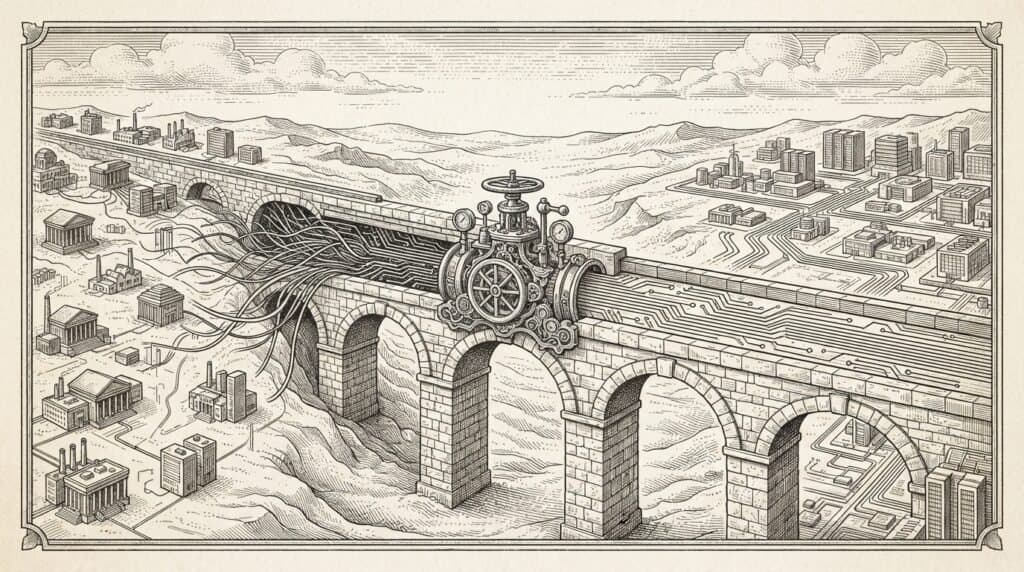
Anthropic has accused Alibaba’s Qwen lab of running an extraordinary operation involving 25,000 fake accounts to mine data from its Claude AI system. According to a letter sent to US Senators Tim Scott and Elizabeth Warren, this campaign generated nearly 29 million interactions with Claude in just six weeks, from late April to early June 2026.
The tactic in question is called model distillation a method where a smaller AI model learns by repeatedly querying a larger, more powerful one. Instead of investing billions in training from scratch, the ‘student’ model observes the larger system’s responses to mimic its behavior. Anthropic’s complaint says Alibaba specifically targeted advanced features like software engineering and agentic reasoning tied to its Mythos Preview model. Alibaba denies these allegations, labeling them as groundless.
Distillation and the AI Race
This isn’t an isolated claim. Earlier in 2026, Anthropic pointed fingers at other Chinese labs, including DeepSeek and Moonshot, for similar model copying efforts. The trend highlights growing concerns in the US about intellectual property theft in AI development amid fierce competition with China. Industry data shows Chinese AI models account for 30% to 58% of token usage among US developers on platforms like OpenRouter, hinting at their increasing footprint.
With the issue now before US lawmakers, Anthropic seems to be pushing for tighter regulations and export controls on AI technologies. That debate could shape the future for global AI firms, impacting how advanced models are shared or restricted. For investors and developers, the scale of this alleged operation shows just how intense the AI arms race has become.
This article is for informational purposes and does not constitute financial advice.