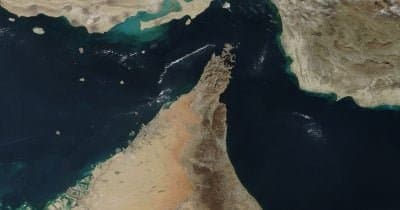
Oil markets are on edge as President Donald Trump warns of renewed military action against Iran if a nuclear deal isn't finalized soon. The Strait of Hormuz, a critical chokepoint for global oil shipments, has once again become the center of geopolitical risk, with one-fifth of the world's oil passing through its narrow waters.
Diplomatic Talks Face a Fragile Deadline
Since February 2026, the U.S. administration has oscillated between threats of strikes and diplomatic efforts. Trump considered an initial limited strike early this year but ultimately paused, hoping negotiations would yield results. In June, planned strikes were called off amid reported progress. Currently, nuclear talks are confined to a delicate 60-day window, focusing on halting Iran’s uranium enrichment for 10 to 20 years.
The Strait of Hormuz: A Strategic Lever
Iran has intertwined the future of its nuclear program with control over the Strait of Hormuz, effectively bundling two use points. Disruption in this maritime passage could spike oil prices sharply and intensify tensions across markets. Energy equities and tanker stocks are particularly vulnerable, especially in Asia, where countries rely heavily on Gulf oil supply.
While crypto assets like Bitcoin have been touted as geopolitical hedges, they have remained largely unaffected amid these developments, unlike traditional safe havens such as gold and oil. Investors closely monitoring this space should stay alert to shifts in energy markets and regional stability.
This material is for informational purposes only and does not constitute financial advice.