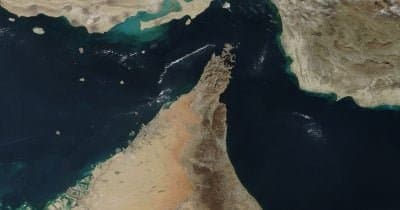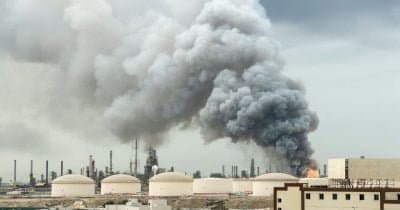
On August 3, Iran issued a fresh warning to Gulf neighbors, signaling it could hit their energy infrastructure within 12 hours if its own oil and gas facilities come under attack.
This is no vague threat; Tehran pinned the timeline at roughly half a day, underscoring a serious and rapid retaliation capability. The targets named include Saudi Arabia and the UAE, both key players in global oil markets.
Such warnings are part of a pattern. Iran has long used missile threats to deter attacks on its nuclear and energy sites, especially around sensitive areas like the Strait of Hormuz. Past events, including the 2019 drone strikes on Saudi oil fields, showed how vulnerable Gulf energy installations remain.
The latest message appears crafted to remind adversaries of Iran’s reach without crossing into immediate conflict yet it raises the stakes for global energy supply security and market stability.
Western sanctions have strained Iran’s energy exports for years, making this a high-stakes game of economic deterrence. The message: any hit on Iran’s vital infrastructure will trigger swift economic repercussions for the entire region.
While no direct impact on digital currencies has surfaced, oil price surges tied to geopolitical risks typically push investors toward safer assets. Crypto markets, often considered risk-on plays, can see pressure as traders unwind positions amid volatility.
Gold tends to benefit first, but Bitcoin’s role as a safe haven remains uncertain. Oil price shocks have a ripple effect beyond commodities, influencing risk sentiment across financial markets.
For crypto investors, the 12-hour clock Iran set is a reminder that geopolitical tensions can flare up fast and disrupt market dynamics without warning.
This content is provided for informational purposes and does not constitute financial advice.