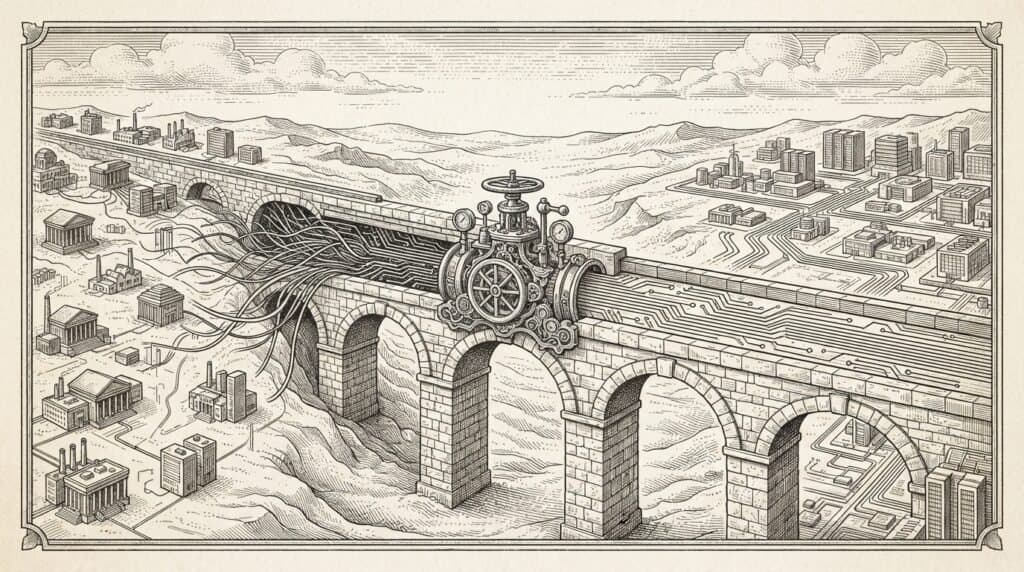
OpenAI launched Presence on July 22, 2026, marking a clear move from merely providing AI models to controlling the infrastructure layer that connects these models with enterprise systems. Presence acts as a governance hub, meant to address the challenge enterprises often face when integrating AI agents with legacy setups that are complex and fragmented.
Unlike typical AI platforms centered purely on intelligence, Presence prioritizes control and safety. It enforces policies, verifies user identity, and manages granular permissions to make sure AI interactions stay within approved boundaries features key for companies hesitant about deploying AI at scale. The platform also provides tools for testing and simulating AI agents against unusual or risky scenarios before they reach real-world use.
OpenAI’s approach relies heavily on human expertise through its Forward Deployed Engineers (FDEs), a move reminiscent of Palantir’s hands-on integration model. This team, expanded by OpenAI’s acquisition of the AI consulting firm Tomoro with around 150 engineers, works directly with clients to tailor integrations to their specific legacy systems. This process remains highly customized rather than automated.
One standout feature is the Codex-powered feedback loop that analyzes real customer support sessions, suggesting behavioral improvements for AI agents. According to OpenAI, this loop achieved a 75% resolution rate on its phone support system and cut human intervention by 15 percentage points within 10 days of launch, though these metrics come from OpenAI without external verification.
OpenAI’s push into enterprise AI infrastructure signals a shift where deployment layers and governance are becoming the battleground, overshadowing model performance alone. This strategy may clash with existing enterprise software vendors as OpenAI emphasizes tailored, controlled AI adoption in complex environments.
The market reacted with cautious optimism, reflecting both excitement and uncertainty around OpenAI’s vertical integration strategy.
This content is informational and not financial advice.