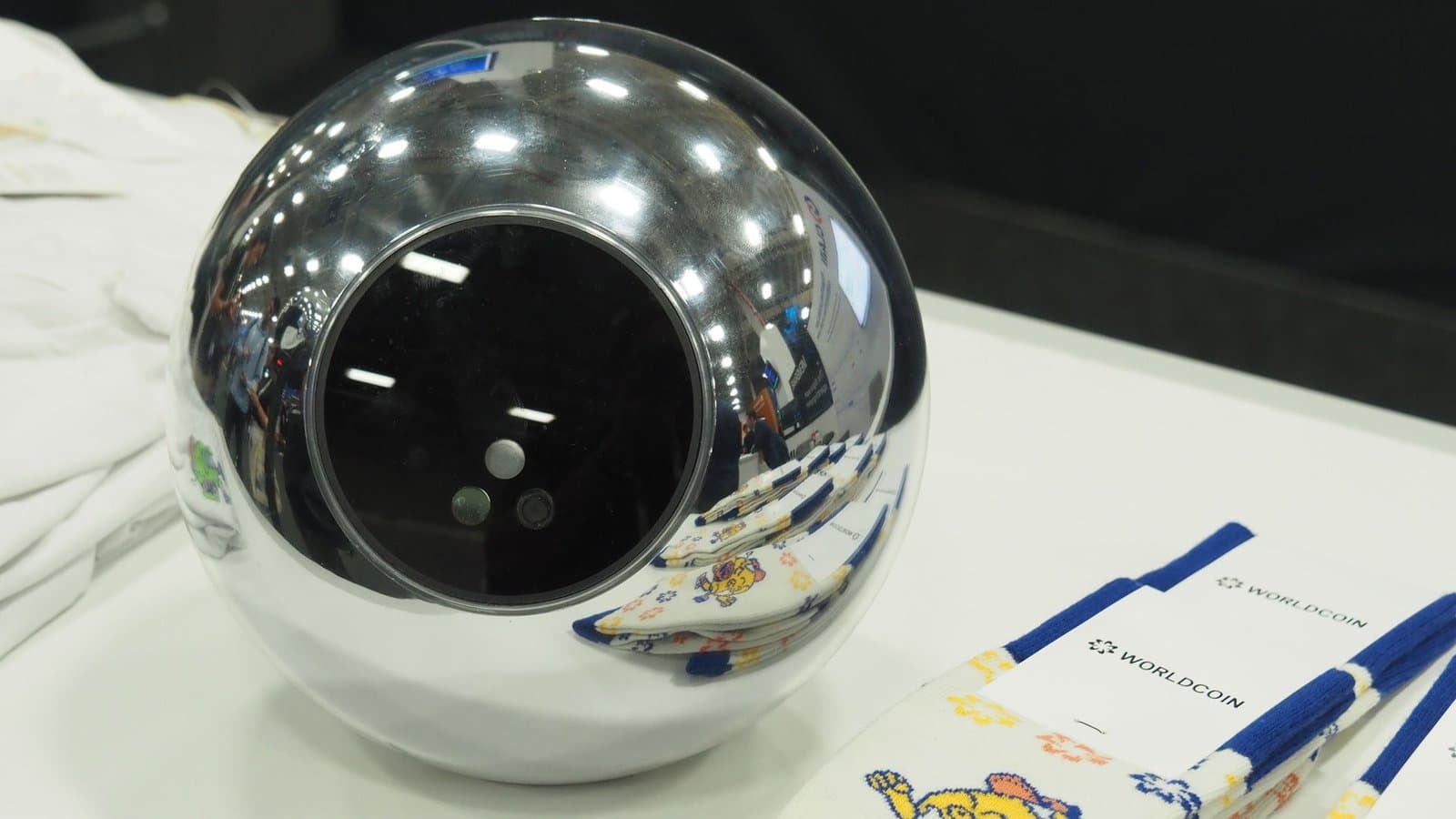
More than 18 million people have already verified their identities with a unique biometric device called the Orb, part of the World Network's effort to prove they're real humans online. This week, the project announced a fresh $52.5 million investment led by Pantera Capital, aiming to scale its digital identity system amid rising concerns about AI-driven bots and deepfake scams.
World Network, supported by Sam Altman, is shifting gears. Instead of simply growing its user base, the focus now is on embedding its biometric verification technology into enterprise software and AI platforms. This move comes as AI-generated content becomes harder to distinguish from genuine human interactions, creating risks for businesses and users alike.
The World Foundation, which manages the World Network, has issued over 475 million World ID proofs so far, showing a rapid expansion in adoption beyond the initial 39 million users. The project’s core technology uses the Orb, a custom biometric scanner that captures irises to confirm one person can only create one identity, without compromising privacy.
Last year, World Network raised $135 million in a private token sale. This time, the funding round included major players like Bain Capital Crypto and Eightco Holdings, signaling growing investor confidence in identity solutions designed to tackle the digital challenges posed by AI.
Cosmo Jiang from Pantera Capital put it simply: the need to verify ‘Proof of Human’ is becoming urgent as AI tools flood the internet with fake personas. Companies deploying AI agents now require reliable ways to verify real users to protect their platforms and services. Tom Lee, board member at Eightco Holdings, also highlighted that World’s technology is a critical building block for securing digital interactions today.
This push toward integration with enterprise systems shows how identity verification is moving beyond consumer apps to become essential infrastructure for the digital economy. As online deepfakes and bot fraud grow, projects like World Network are racing to offer reliable human authentication to keep networks trustworthy.