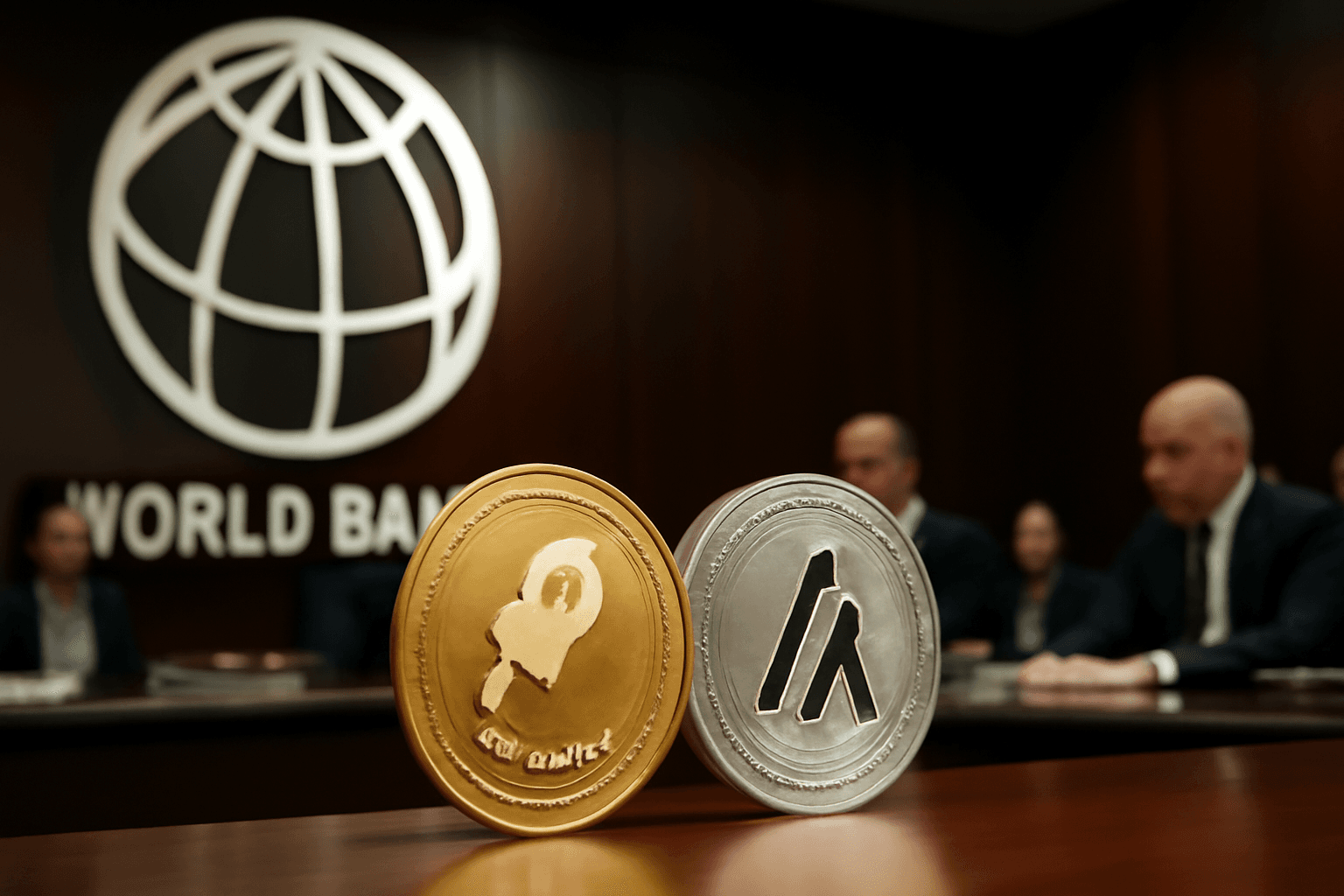
"Choosing the right blockchain can make a real difference," noted a crypto analyst reviewing CGAP's latest report. The report illuminated how Stellar and Algorand blockchains are actively used in humanitarian aid programs, showcasing real-world deployments that reach vulnerable populations in Sudan, Ukraine, and Afghanistan.
CGAP, an organization tied to the World Bank and prominent global financial institutions, examined the challenges humanitarian groups face when sending funds internationally. High fees, slow processing, lack of correspondent banking access, and opaque currency exchange margins often hinder aid delivery. Stablecoins, running over efficient blockchain networks, emerged as potential tools to bypass those barriers, reducing costs and shortening settlement times.
The study highlights Stellar as a network where USDC stablecoins operate efficiently. A case in Sudan involves the Norwegian Refugee Council partnering with KoalaPay, which leverages Stellar and Base blockchains to transfer USDC to local partners who then convert it to Sudanese pounds for direct distribution. Meanwhile, the Ukrainian initiative utilizing Stellar’s Aid Assist platform and MoneyGram delivered $4.6 million to 2,500 households within two years, demonstrating practical impact. Algorand also features in an Afghan case, where Mercy Corps and HesabPay used a local stablecoin pegged to the afghani through an Algorand-based platform, facilitating secure wallet transfers.
The report stresses that although using blockchains like Stellar or Algorand reduces blockchain-level transaction costs, local expenses and regulatory factors remain obstacles. Still, CGAP's analysis opens important discussions on how blockchain solutions can reshape humanitarian finance precisely where traditional banking falls short.