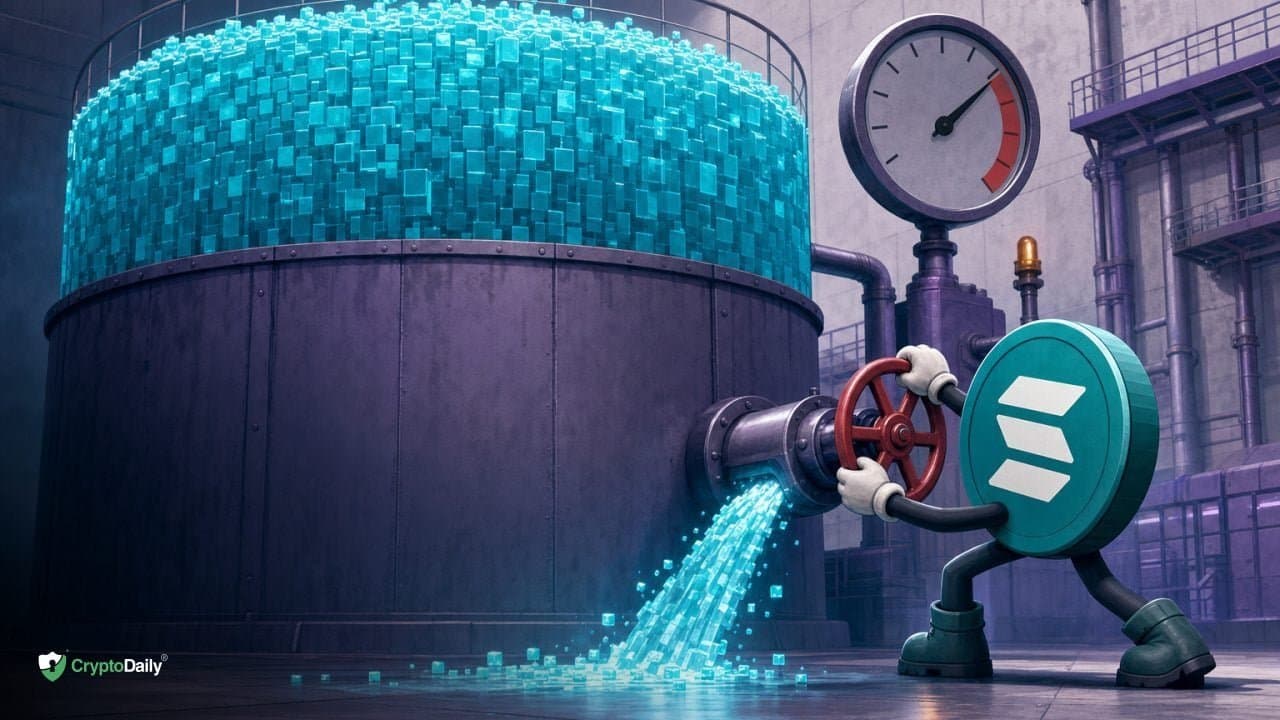
Ethereum’s state size has surged from around 105 MiB per week to 326 MiB after gas limit hikes, adding roughly 116 GiB annually. This relentless growth puts strain on nodes, making them heavier and pushing fees higher. Networks face a stark choice: keep storing everything forever or start trimming what’s kept on-chain.
The Burden of Endless Data
Every extra byte stored permanently costs nodes disk space, bandwidth, and processing power. When blockchains try to remember every token, allowance, NFT, or abandoned contract indefinitely, the state balloons. Syncing times grow from hours to days, and running a node feels more like operating a small data center. This pressure discourages participation by raising hardware demands and inflating fees.
History pruning clears out old blocks and receipts, but that doesn’t shrink the live state which holds long-term account data. To tackle this, developers explore “state expiry,” a strategy that keeps only critical data instantly accessible. The rest can require proofs or periodic refreshes to stay valid.
How Expiry and Optimization Work Together
A recent prototype cut the active trie data by about 58%, reducing total storage by roughly 21.6%. Meanwhile, introducing UTXO-style payments on Ethereum could slash permanent state for those transactions by 99.8%. These methods, combined with transient storage and batch processing, lighten the node’s burden even before official expiry mechanisms roll out.
However, expiry must maintain user trust. Balances, allowances, and NFTs need to stay usable without confusing or disrupting holders. Renewal processes or cryptographic proofs are key to preserving a smooth experience.
Blockchains cannot remain free, eternal databases. The unchecked accumulation of data leads to increased costs and less decentralization. That’s why a growing number of projects include plans to limit state growth, demand payments for permanence, or shift data off-chain. AMLBot’s AI tools show how data management in crypto continues evolving, reflecting these challenges in real-world applications.
This content is informational and not financial advice.