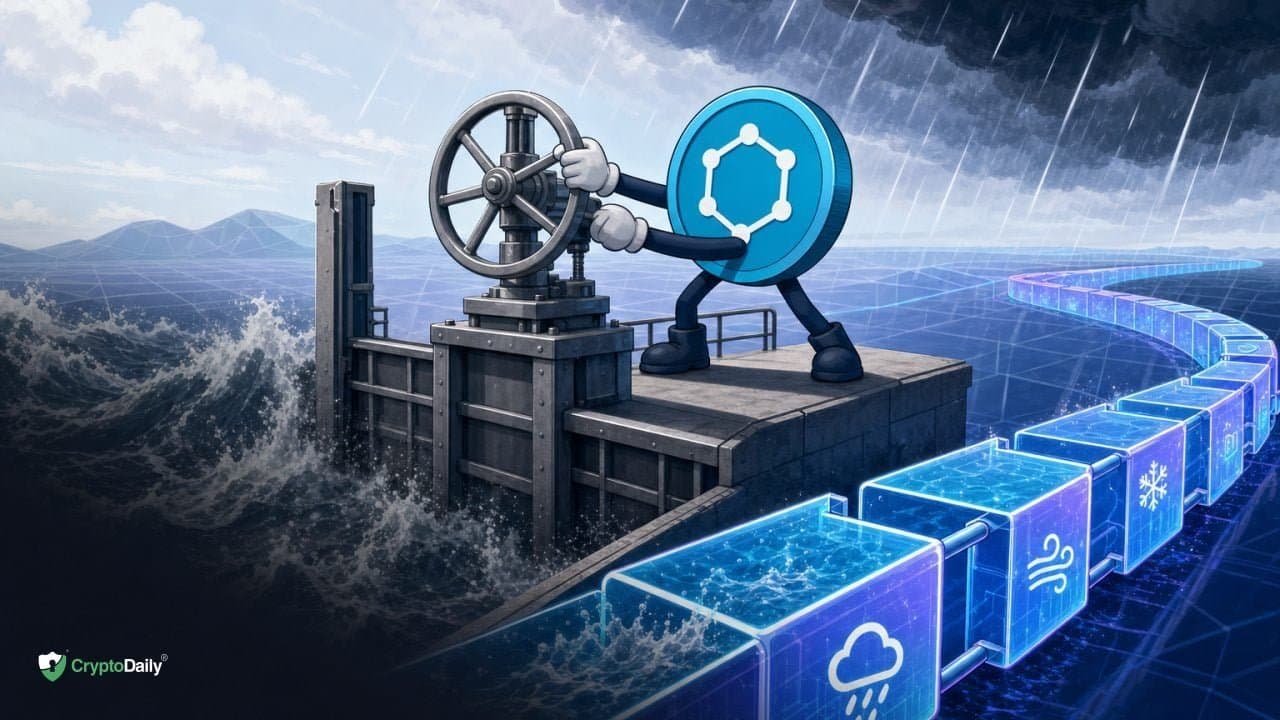
Tokenized weather derivatives are stepping into the spotlight as a new way to hedge climate risks directly on the blockchain. These contracts automatically pay out based on real-time weather data like rainfall, temperature, or wind speed, bypassing traditional claims processes.
How Weather Derivatives Work Onchain
The concept is straightforward: users pre-fund a smart contract with collateral. The contract contains specific rules, for example, "pay 1 token for every millimeter of rain below 50 mm in June at Station X." Trusted oracles feed verified weather data into the contract. When conditions match the preset terms, payouts trigger instantly without paperwork or delays.
This parametric approach means no adjusters or claims audits are needed. The contract's automation offers faster, transparent settlement and could open access to a wider global audience. However, the reliability of oracles is key, as inaccurate data could trigger wrong payouts.
Recent developments illustrate growing momentum. In July 2026, weather firm Kweather and the Layer 1 network Flare signed a Letter of Intent to publish validated meteorological data onchain. This partnership aims to support parametric insurance and weather-linked derivatives, showing the critical role of data pipelines in this emerging market.
Despite the promise, risks remain significant: smart contract bugs, data errors, and liquidity constraints pose challenges. Regulatory issues and geographic limitations also affect how broadly these products can be deployed.
Trading desks that remained open over weekends have been capturing flow in real-world-asset-linked derivatives, signaling growing volume. Around 2026, these tokenized weather derivatives are moving beyond pilots towards real market activity, with smart collateral management and oracle debates focusing less on pricing models and more on data timestamps and revision policies.
With climate risks increasing globally, these onchain tools could provide faster, more accessible weather risk management if the infrastructure keeps pace.
This material is informational and does not constitute financial advice.