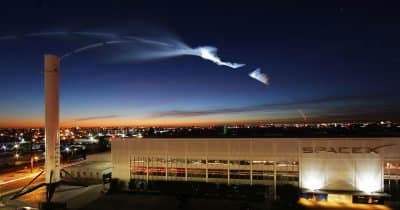
In early February 2026, SpaceX completed a staggering $1.25 trillion merger with Elon Musk’s AI firm, xAI. The deal fused SpaceX’s $1 trillion valuation with xAI’s $250 billion, sparking a whirlwind of changes.
Services were rebranded under the SpaceXAI label, new Grok AI models launched, and plans emerged for orbital data centers powered by Starlink satellites. By June, the combined company’s IPO shattered records, reaching a valuation between $1.5 trillion and $1.77 trillion.
Yet beneath the headline figures, the financial picture is far from rosy. In 2025, xAI reported operating losses around $6.355 billion against $3.201 billion in revenue, having spent over $12.7 billion on infrastructure alone. SpaceX’s Q1 2026 showed $4.69 billion in revenue, but a $1.94 billion operating loss dragged down by AI investments.
Some top analysts warn of a “material threat of value destruction” unless the AI bet pays off. Doubts also swirl around Musk’s ability to juggle his many ventures simultaneously. Between Tesla, SpaceX, xAI, X (formerly Twitter), The Boring Company, and Neuralink, skeptics wonder if managing so many diverse projects is sustainable especially with several now intertwined.
The June 2026 all-stock acquisition of Cursor, an AI coding startup valued at $60 billion, signals no slowing of AI spending. With the release of Grok 4.5, SpaceX aims to challenge entrenched leaders like OpenAI and Google DeepMind.
Investors and analysts can’t help but recall the excesses of the dot-com bubble. SpaceX’s IPO raised tens of billions, fueled in part by fear of missing out on the next massive wealth wave. Losing nearly $2 billion in one quarter yet commanding a valuation above $1.5 trillion raises questions about whether current prices already assume AI will deliver beyond expectations.
xAI’s 2025 revenue of just $3.201 billion makes its $250 billion standalone valuation look ambitious. In contrast, SpaceX’s aerospace segment generates real revenue with proven margins, balancing some of the risk.