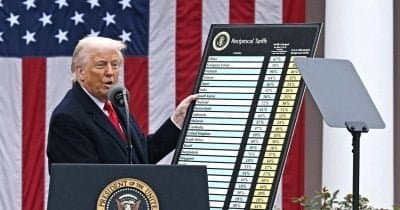
On July 22, 2026, the US imposed a 25% tariff on a wide range of Brazilian imports, marking a sharp shift in trade relations. This move reinforces Brazil’s standing among the least favored US trading partners outside China.
At the same time, the European Union secured tariff rates between 10% and 15%, significantly lower than what Brazil faces. This disparity creates a clear two-tier system in American trade policy.
Earlier, Brazil’s tariffs had already worsened from a 10% baseline to as high as 50% on specific products since July 2025. The latest blanket tariff adds another layer to a tense trade environment.
Part of the tariff increase seems politically motivated, linked to legal cases against former Brazilian President Jair Bolsonaro.
Brazil’s exports play a vital role globally, especially coffee and beef. The 25% tariff disrupts supply chains, raising costs for US importers and consumers alike. Meanwhile, European exporters benefit from lower tariffs, gaining a competitive edge.
This tariff realignment follows a Supreme Court ruling earlier this year that overturned previous measures, prompting a fresh US strategy focused on Section 301 tariffs targeting Brazil.
Crypto markets initially reacted strongly to tariff changes in early 2026, with Bitcoin and Ether suffering major drops and millions lost in derivatives liquidations. However, Bitcoin barely moved after the recent Brazilian tariff announcement.
Tariff news now seems to shake digital assets less unless it involves major economies like China or the EU. Brazil’s tariffs lack that systemic impact on crypto.
Brazil’s recent advances in tokenized loans contrast with the growing trade tensions highlighted by these tariffs.
This material is for informational purposes and does not constitute financial advice.