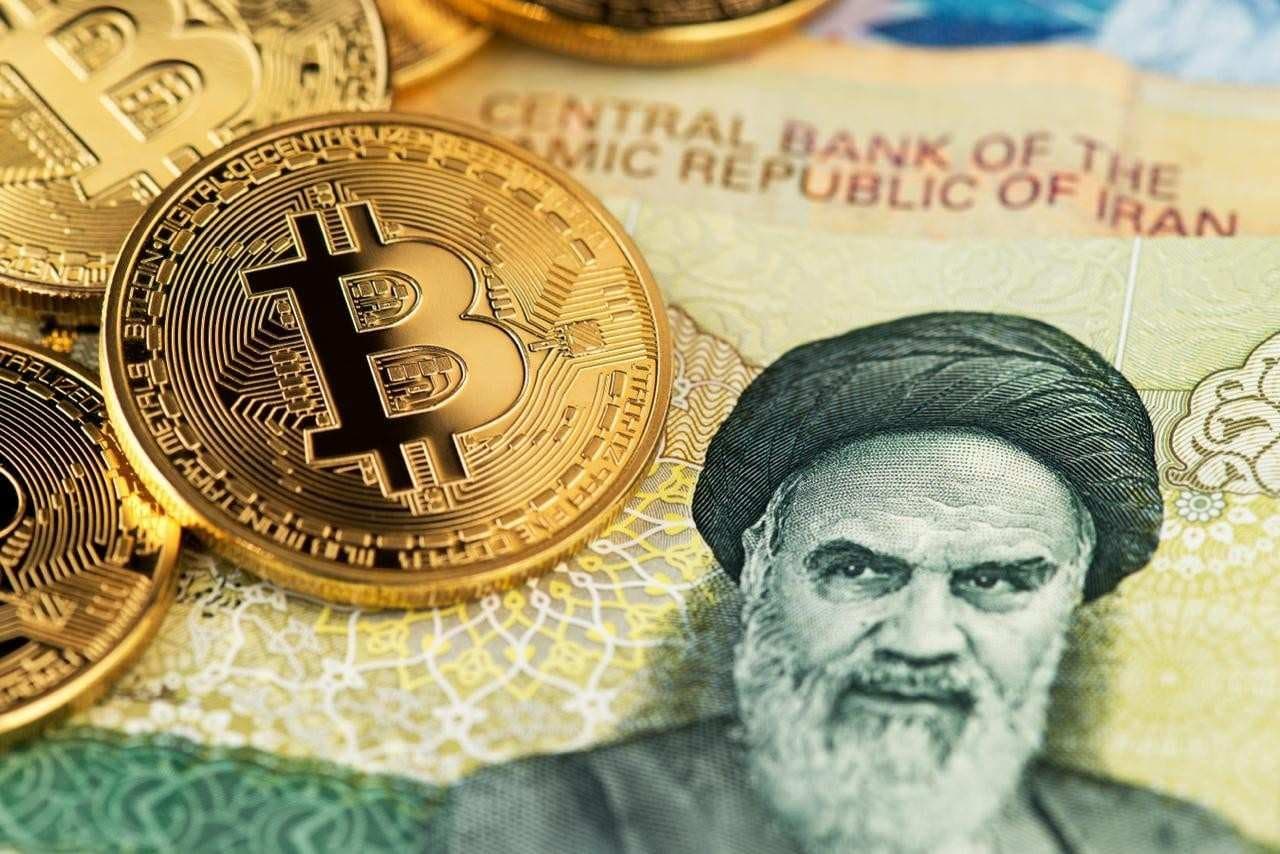
The U.S. Treasury slapped sanctions on two Iranian companies on July 29, accusing them of running a maritime insurance operation that accepted Bitcoin payments. The Persian Gulf Marine Insurance Company and HormuzSafe Marine Services Authority allegedly forced ships passing through the Strait of Hormuz to buy these policies. Authorities say the payments were a disguised revenue stream for the Islamic Revolutionary Guard Corps, acting more as extortion than legitimate insurance.
These policies allegedly covered risks like vessel seizures incidents largely created by Iran itself, according to U.S. officials. Hormuz Safe reportedly was created by Iran’s Ministry of Economy and accepted Bitcoin and other digital currencies to dodge Western sanctions. Secretary of the Treasury Scott Bessent highlighted Iran’s economic struggles, warning that the U.S. will not let Tehran use international shipping to fund terrorism and repression.
Ongoing Bitcoin-Linked Threats in the Region
This action follows earlier incidents this year. In April, crypto scam messages promising safe passage through the Strait in exchange for digital currencies circulated widely. These scams culminated in an attack on a tanker northeast of Oman. The Treasury noted that the insurance policies were backed by the IRGC-linked Persian Gulf Strait Authority, which faced sanctions earlier in May.
The new designations bar U.S. persons and companies from dealing with these entities. Foreign firms caught transacting with them risk U.S. sanctions as well, including civil or criminal penalties. Non-U.S. persons are also forbidden from causing violations of these sanctions, whether knowingly or unwittingly.
Despite this crackdown, Bitcoin's price barely budged, hovering near $63,700 on July 31, down just 1.6% on the day.
This material is for informational purposes and does not constitute financial advice.