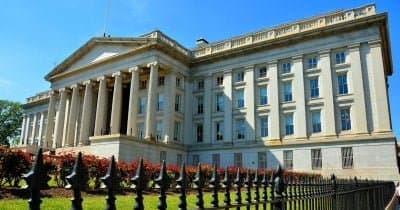
"This move signals Washington’s determination to clamp down on Iran’s use at sea," said a market analyst tracking the Strait of Hormuz tensions. The US Treasury's Office of Foreign Assets Control targeted two companies suspected of running a coercive scheme that forces ships to pay for maritime insurance to pass through the critical waterway. This action intensifies pressure on Iran amid a fraught geopolitical climate that has roiled global trade routes in 2026.
Despite the designation, markets are betting against the US imposing new fees on vessels transiting the Strait, with odds sitting around 0.3% for a July 31 deadline. This skepticism arises as broader tensions between the two nations seem to lean toward diplomatic stalemate rather than escalation involving direct tolls or surcharges. The Treasury’s move aligns with ongoing efforts to disrupt Iran’s financial gains from controlling this vital chokepoint.
Investors are also watching closely for any official remarks from figures like President Donald Trump or Secretary of State Marco Rubio. Such statements could sway market sentiment if they hint at potential implementation of "Hormuz fees." Meanwhile, Iran’s policy signals remain ambiguous, deepening uncertainty over the region’s maritime security and economic implications.
Recent shifts in US foreign policy, including attempts to add Iran tariffs in Russia sanctions, contribute to the complex sanction landscape shaping these developments. The stakes remain high as global shipping routes face persistent risks tied to geopolitical maneuvering.
This information is presented for informational purposes and does not constitute financial advice.