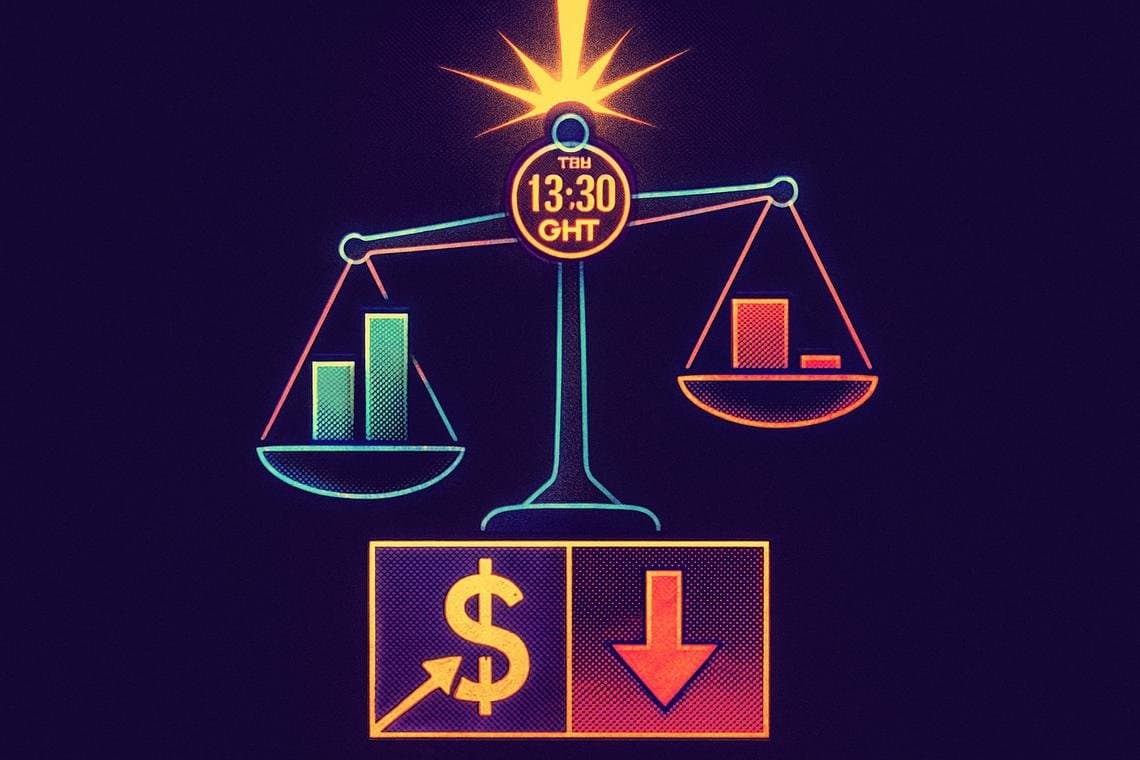
"These numbers could tip the scales," an analyst remarked as markets await Thursday's US GDP and inflation data. The Federal Reserve's latest meeting ended with three members pushing for higher rates, a rare fracture that hasn’t occurred since 2016. With global tensions heating up oil prices, the economic indicators released at 13:30 GMT hold more influence than usual, potentially reshaping expectations for monetary policy.
The preliminary second-quarter GDP estimate is expected to show a 2.1% annualized growth rate, signaling resilience in the US economy. However, the Atlanta Fed's GDPNow model offers a more conservative forecast of 1.6%, reflecting growing caution among some economists. Beyond the headline growth figure, markets will scrutinize the GDP Price Index, which tracks inflation across all domestically produced goods and services, rather than just consumer items. Given recent oil price hikes tied to Middle East conflicts, this inflation gauge could reveal rising pressure that challenges the Fed’s cautious stance.
Alongside GDP and its deflator, the Fed’s preferred inflation measure the Personal Consumption Expenditures (PCE) index will provide another critical data point. Investors are already weighing how the PCE numbers compare to earlier Consumer Price Index reports. The US Dollar Index’s current rally to multi-month highs, alongside technical signals showing bullish momentum, suggests that currency markets are bracing for continued volatility amid these economic shifts.
This triple release comes at a time when the Fed’s internal divisions shows the difficulty of balancing growth and inflation risks. The dissent by members Beth Hammack, Neel Kashkari, and Lorie Logan signals that tighter policies might be looming if inflation readings come in hotter than expected. Such developments could ripple across financial markets, influencing crypto asset valuations and broader investment sentiment.
This material is for informational purposes and does not constitute financial advice.