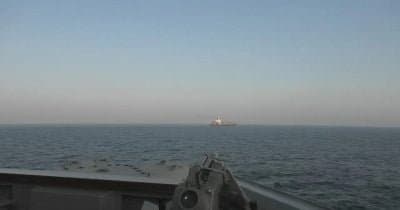
"We intercepted and redirected 12 commercial vessels attempting unauthorized passage near Iranian waters," a Pentagon official stated on July 25, signaling a surge in U.S. naval activity in the Arabian Sea. This solid response involved not only deterring ships but also boarding one and disabling another to reinforce the presence and control over this contested zone.
The measures come amid rising confrontation between the U.S. and Iran in the Gulf of Oman and surrounding waters, with the blockade aiming to restrict maritime traffic through Iranian ports. The strategic implications are significant: markets have priced in a 22% chance that the Bab el-Mandeb Strait might close by the end of September, reflecting increased tension affecting global shipping lanes. Interestingly, the likelihood of a closure by August 31 dropped to 11.5% recently, suggesting a recalibration of immediate risks following direct U.S. naval interventions.
Regional analysts warn the situation could shift rapidly, especially as the movements of Iranian forces and responses from groups like those led by Abdul-Malik al-Houthi will be closely watched. Any further escalation could alter insurance policies for maritime routes, influencing global trade and energy supplies. Observers point out that these naval operations may affect not just the geopolitical landscape but also the financial markets sensitive to the stability of critical straits.
The current blockade enforcement aligns with a broader U.S. strategy to apply pressure while keeping options open for diplomatic engagement. Meanwhile, tensions remain at a critical point, with the actions in the Arabian Sea hinting at what could be an extended confrontation. Monitoring how these developments play out over the next weeks is key, as they might sway the probability of major chokepoint disruptions and their consequences worldwide. For related coverage on regional maritime conflicts, see Tensions Rise as US Navy Blocks 12 Ships in Strait of Hormuz.