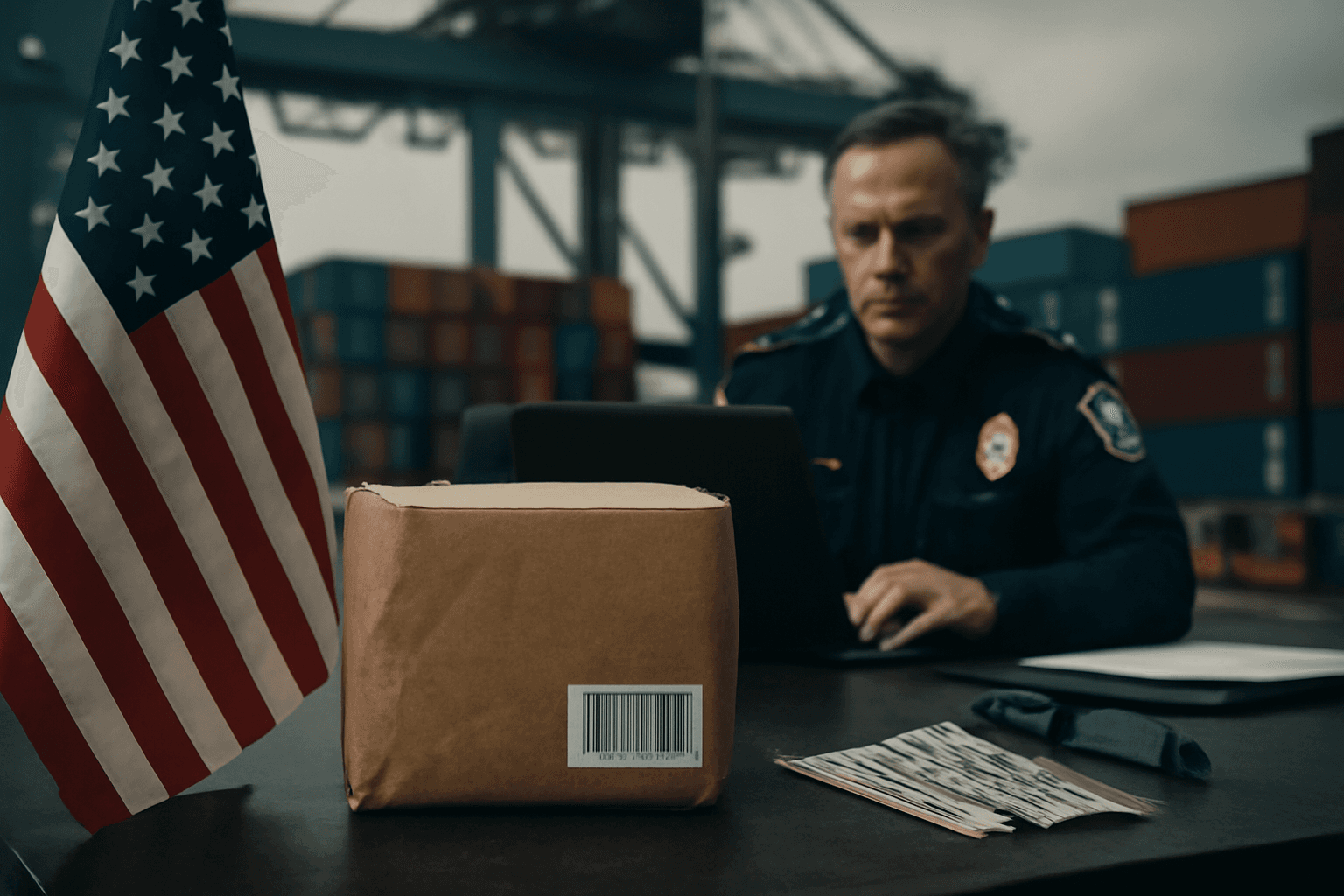
On Friday, the United States activated new import tariffs that now apply to goods from 60 countries, covering approximately 99.4% of all US imports. This move follows the expiration of a temporary global levy and marks a significant escalation in trade policy under President Donald Trump’s administration.
Tariffs Aim at Forced Labor but Stir Debate
The administration states these additional duties primarily focus on countries that have not taken adequate steps to eliminate imports produced with forced labor. However, critics question whether the tariffs serve broader political or economic goals beyond this stated objective.
Expanding tariffs on nearly every trading partner impacts global supply chains and may increase costs for US consumers and businesses relying on foreign goods. Markets are already gauging potential ripple effects on prices and investment decisions.
Wider Trade Impact and Market Reaction
The sweeping nature of these tariffs could disrupt trade flows and prompt retaliatory measures. Some sectors may face increased input costs, which could translate into higher retail prices. The policy shift follows prior trade actions and occurs amid rising global trade tensions.
Investors and companies will be monitoring developments closely as the new duties take hold. The move echoes earlier measures aimed at reshaping trade relationships, similar to actions discussed in other regulatory contexts like technology and mining sectors.